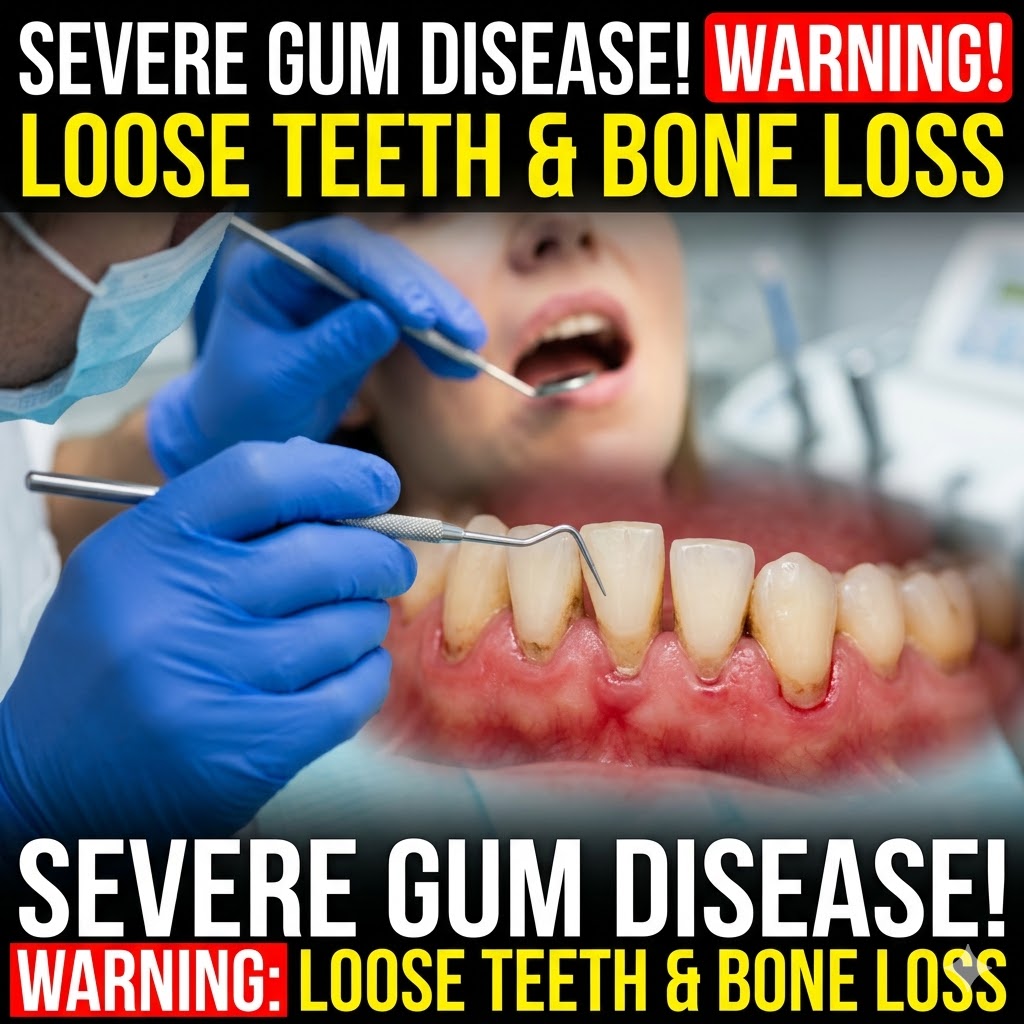
Recently, viral videos from dental professionals have highlighted the devastating effects of advanced periodontitis, showing teeth that have completely lost their bone support—literally moving with the slightest touch. While these visuals might be hard to watch, they serve a crucial purpose. They are a stark reminder of why oral hygiene is about much more than just a bright smile.
In this article, we’ll dive deep into what severe gum disease is, why it destroys the foundation of your smile, and what treatments are available when the damage reaches a critical stage.
What is Severe Gum Disease?
Gum disease, clinically known as periodontal disease, is a bacterial infection of the tissues and bone that hold your teeth in place. It typically starts as gingivitis, a milder, reversible form characterized by red, swollen gums that bleed easily during brushing or flossing.
If left untreated, gingivitis can advance to periodontitis. Periodontitis is a serious, chronic inflammatory condition. At this advanced stage, the bacteria present in dental plaque release toxins that irritate the gums. In response, your body mounts a continuous immune response to fight the infection, essentially turning on its own tissues.
This chronic inflammation begins to break down the connective tissue and the underlying jawbone that anchor your teeth firmly in your mouth. Without this crucial foundation, the teeth lose their stability. The gap between the tooth and the gum deepens, forming infected “pockets” that harbor even more destructive bacteria. Over time, this vicious cycle leads to severe bone loss, which is precisely why the teeth in extreme cases become shockingly loose.
The Warning Signs You Shouldn’t Ignore
One of the most dangerous aspects of gum disease is that it is often painless in its early stages. Many people do not realize they have a serious problem until significant, irreversible damage has already occurred. However, your body will give you warning signs if you know what to look for.
Early indicators include gums that are persistently red, swollen, or tender. You might also notice bleeding when you brush or floss—which is never a normal sign of health. As the disease progresses, you may experience persistent bad breath (halitosis), receding gums that make your teeth look longer, and pain when chewing.
In the most advanced stages, like the scenario described in the video, you will begin to feel your teeth shifting or loosening. You might also notice a change in the way your teeth fit together when you bite down. Ignoring these signs can lead to permanent structural damage and the inevitable loss of your natural teeth.
The Point of No Return: When Teeth Lose Bone Support
When gum disease reaches a completely uncontrolled state, the structural integrity of the jawbone is compromised. The bone essentially melts away due to the persistent chronic infection and inflammation. Dental professionals refer to this as a complete loss of bone support.
At this critical juncture, the teeth have virtually nothing holding them securely in the socket. They become highly mobile, shifting drastically with the slightest touch of a dental instrument, or even just from the pressure of speaking and eating. Not only is this condition incredibly uncomfortable, but it also makes everyday activities like chewing solid food nearly impossible.
Unfortunately, once the jawbone is gone, it does not grow back on its own. The infection is deeply rooted, and the structural damage is permanent. This is the point where saving the natural teeth is no longer a viable medical option, and drastic interventions are required to restore oral health.
Treatment Options: Extractions and Tooth Replacement
When teeth are severely compromised and floating without bone support, the only responsible medical decision is removal. Extracting the failing teeth eliminates the source of the chronic infection, allowing the gums and remaining bone to finally heal. After extraction, patients must look into tooth replacement options to restore both function and aesthetics.
-
Dental Implants: For those with sufficient remaining bone (or those who undergo bone grafting procedures), dental implants are the gold standard. They act as artificial titanium tooth roots, providing a permanent, secure foundation for replacement crowns or bridges.
-
Dentures: Traditional or implant-supported dentures are a common and highly effective solution for replacing a full arch of missing teeth. Modern dentures are custom-fitted to restore a natural appearance and the ability to chew and speak confidently.
Prevention is the Best Cure
The most important takeaway is that severe periodontitis is highly preventable. A diligent daily oral hygiene routine is your absolute best defense. Brushing twice a day with fluoride toothpaste and flossing daily are non-negotiable habits for removing plaque before it hardens into tartar.
Furthermore, scheduling regular dental check-ups and professional cleanings—at least twice a year—allows your dentist to catch and treat early signs of gingivitis before it progresses to irreversible bone loss.
Conclusion
Uncontrolled gum disease is a silent destroyer of smiles, but it doesn’t have to be your fate. By understanding the severe risks of poor oral hygiene, recognizing the early symptoms, and prioritizing your dental visits, you can keep your teeth firmly rooted where they belong for a lifetime. If you notice any signs of gum disease, don’t wait—consult a dental professional immediately.