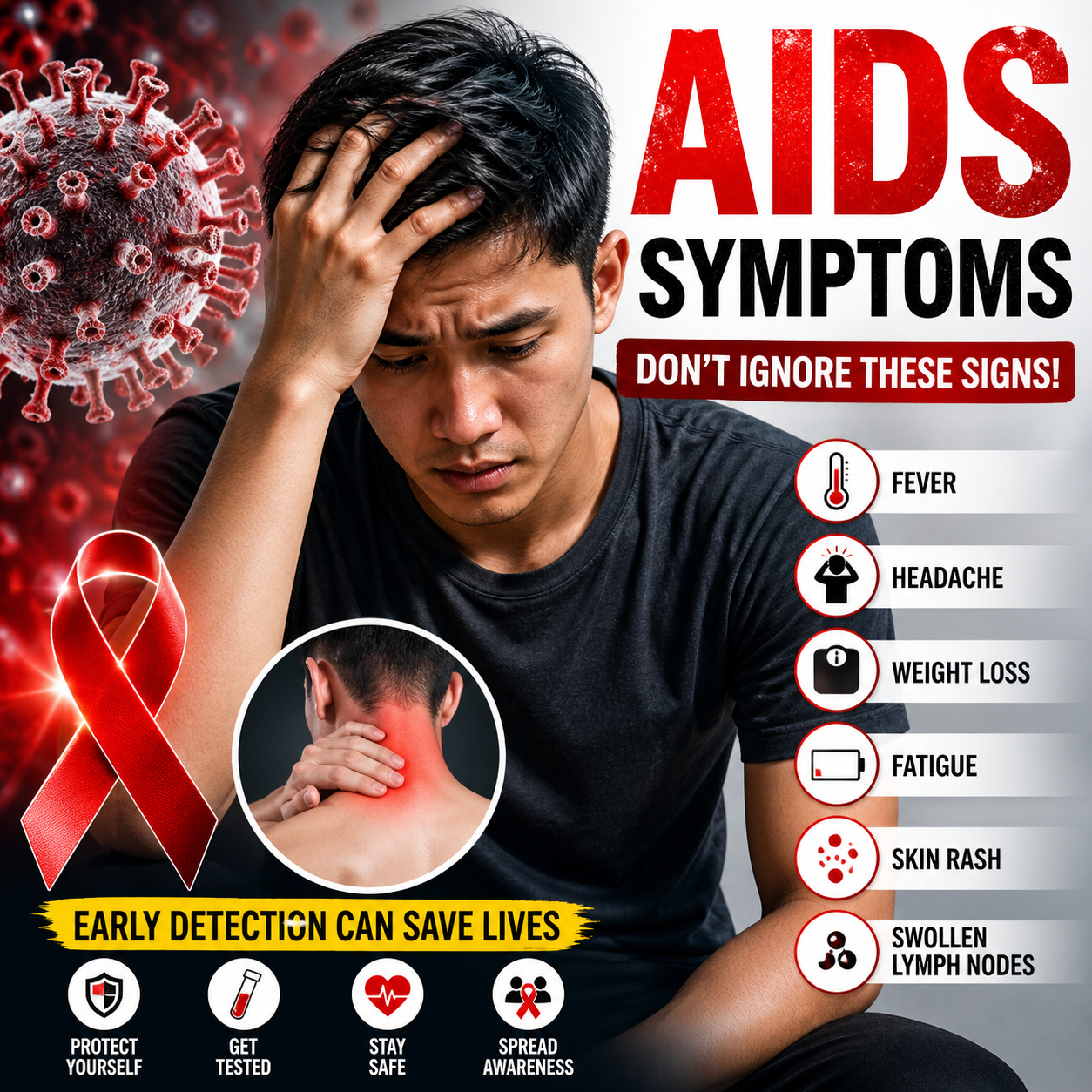
AIDS (Acquired Immunodeficiency Syndrome) is the most advanced stage of HIV (Human Immunodeficiency Virus) infection, which severely damages the immune system. When the immune system becomes too weak, the body can no longer effectively fight off infections and diseases. Understanding the symptoms of AIDS at different stages is essential for early detection and proper treatment.
1. Early Symptoms
Within 2 to 4 weeks after HIV infection, some individuals may experience flu-like symptoms, including:
- Fever
- Headache
- Sore throat
- Fatigue
- Skin rash
- Muscle aches
These symptoms are often mild and easily mistaken for common illnesses, causing many people to overlook them.
2. Clinical Latency Stage
After the initial stage, HIV may remain in the body without noticeable symptoms for several years. During this stage:
- The person may appear healthy
- The virus continues to damage the immune system
- The virus can still be transmitted to others
3. Advanced AIDS Symptoms
As the immune system becomes severely weakened, more serious symptoms appear, such as:
- Persistent fever
- Rapid and unexplained weight loss
- Swollen lymph nodes
- Chronic diarrhea
- Extreme fatigue
- Frequent infections (e.g., oral thrush, lung infections)
4. Opportunistic Infections
Due to a weakened immune system, people with AIDS are vulnerable to opportunistic infections, including:
- Pneumonia
- Brain infections
- Fungal skin infections
- Certain types of cancer
5. Importance of Testing
Regular HIV testing helps detect the virus early and allows timely treatment. Antiretroviral therapy (ART) can reduce the viral load, improve immune function, and help individuals live longer, healthier lives.
6. Prevention Methods
- Use condoms during sexual activity
- Avoid sharing needles or injection equipment
- Get tested regularly
- Use preventive medication (PrEP) if at high risk