Diabetes is one of the most prevalent and rapidly growing chronic health conditions worldwide. Millions of people live with this condition, and many more are at risk without even realizing it. At its core, diabetes affects how your body turns food into energy. When you eat, your body breaks down food into sugar (glucose) and releases it into your bloodstream. When your blood sugar goes up, it signals your pancreas to release insulin. However, if you have diabetes, your body either doesn’t make enough insulin or can’t use it as well as it should.
While diabetes is a serious condition that can lead to severe health complications—such as heart disease, vision loss, and kidney disease—the good news is that Type 2 diabetes (the most common form) is largely preventable. By understanding the early warning signs and making proactive lifestyle changes, you can take control of your long-term health.
The Silent Signals: Recognizing the Symptoms of Diabetes
Diabetes is often called a “silent disease” because early symptoms can be so mild that they go unnoticed for years. Recognizing these signs early is crucial for getting a timely diagnosis and preventing complications.
Here are the most common symptoms to watch out for:
-
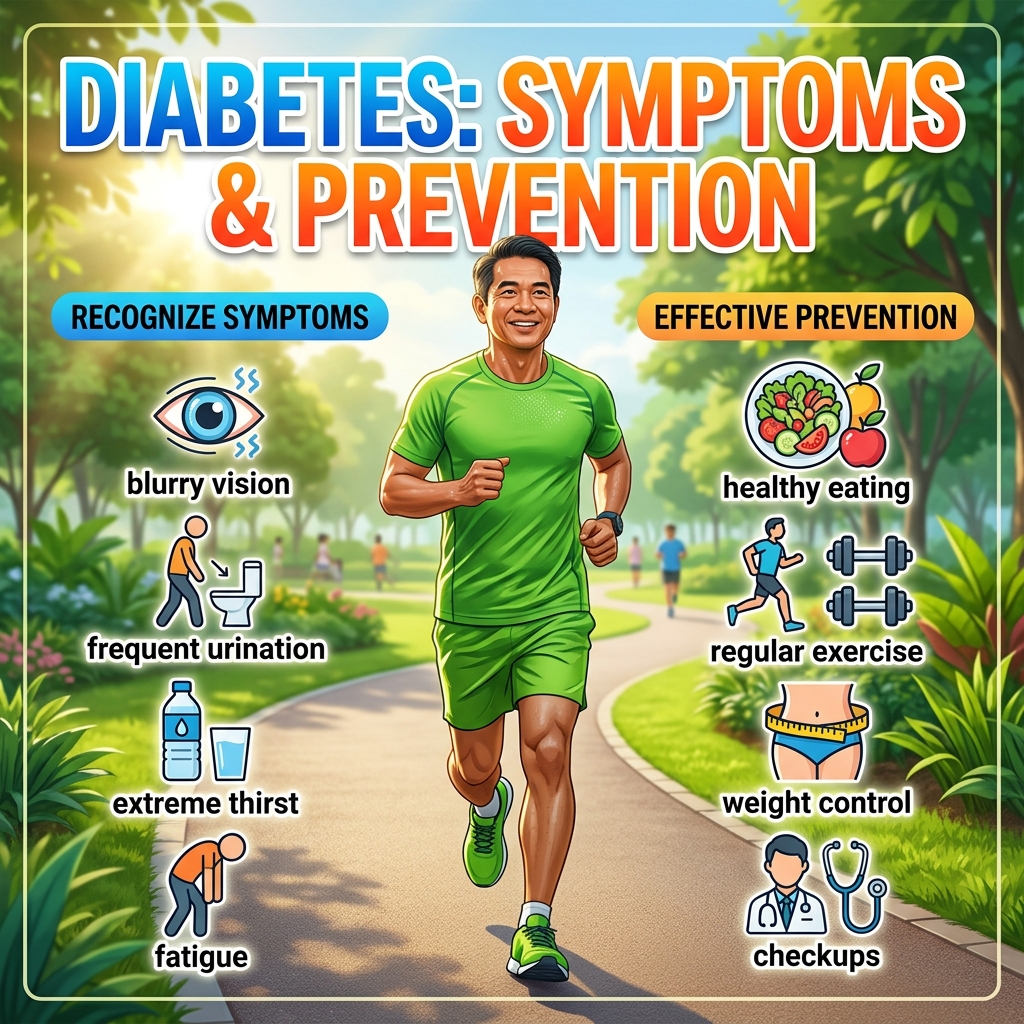
Frequent Urination (Polyuria): When your blood sugar is high, your kidneys work overtime to filter and absorb the excess glucose. If your kidneys can’t keep up, the excess sugar is excreted into your urine, dragging along fluids from your tissues. This makes you need to urinate more frequently.
-
Excessive Thirst (Polydipsia): Because you are losing more fluids through frequent urination, your body becomes dehydrated. This triggers a constant, unquenchable thirst.
-
Extreme Hunger (Polyphagia): Your body converts the food you eat into glucose that your cells use for energy. If you lack insulin, or your cells resist it, the glucose cannot enter your cells. You may feel constantly hungry because your muscles and organs are essentially depleted of energy.
-
Unexplained Weight Loss: Even if you are eating more than usual to relieve your hunger, you may still lose weight. Without the ability to use glucose for energy, your body starts burning muscle and fat for fuel instead.
-
Overwhelming Fatigue: Dehydration from increased urination and your body’s inability to function properly and use sugar for energy can leave you feeling chronically exhausted.
-
Blurred Vision: High blood sugar levels can pull fluid from your tissues, including the lenses of your eyes. This affects your ability to focus, resulting in blurry vision.
-
Slow-Healing Sores and Frequent Infections: High levels of blood sugar can impair your body’s natural healing process and your ability to fight infections. Women with diabetes may experience frequent yeast or urinary tract infections.
-
Tingling or Numbness: Excess blood sugar can cause nerve damage (neuropathy), starting as a tingling sensation or numbness in your hands and feet.
Important Note: Type 1 diabetes symptoms can develop rapidly over a few weeks or months, while Type 2 diabetes symptoms develop slowly over several years. If you experience any of these symptoms, it is essential to consult a healthcare professional for a simple blood sugar test.
Proactive Prevention: How to Stop Diabetes Before It Starts
While genetics and age play a role, lifestyle factors are the driving force behind Type 2 diabetes. Making conscious, healthy choices daily is your strongest defense against the disease.
1. Adopt a Nutrient-Rich, Balanced Diet
What you put on your plate directly impacts your blood sugar levels. You don’t need a restrictive diet; rather, focus on a balanced, sustainable way of eating.
-
Prioritize Fiber: High-fiber foods slow the absorption of sugar and help control blood sugar levels. Incorporate plenty of fruits, non-starchy vegetables, legumes, and whole grains (like brown rice, oats, and quinoa) into your meals.
-
Choose Healthy Fats: Swap saturated and trans fats for heart-healthy fats found in avocados, olive oil, nuts, and fatty fish.
-
Limit Added Sugars and Refined Carbs: White bread, pastries, sugary sodas, and highly processed snacks cause rapid spikes in blood sugar. Opt for water, unsweetened tea, and whole foods instead.
2. Commit to Regular Physical Activity
Exercise is a powerful tool for preventing diabetes. Physical activity increases insulin sensitivity, meaning your cells are better able to use the available insulin to absorb glucose during and after activity.
-
Aim for at least 150 minutes of moderate aerobic activity a week, such as brisk walking, swimming, or cycling.
-
Incorporate resistance training (like weightlifting or bodyweight exercises) at least twice a week to build muscle mass, which helps absorb glucose.
3. Maintain a Healthy Weight
Carrying excess weight, particularly visceral fat around your abdomen, is the single highest risk factor for Type 2 diabetes. Belly fat promotes insulin resistance. Losing just 5% to 7% of your body weight—if you are overweight—can significantly reduce your risk of developing the disease.
4. Optimize Sleep and Manage Stress
Physical health is deeply intertwined with mental well-being and rest.
-
Sleep: Chronic sleep deprivation disrupts hormones that regulate appetite and blood sugar. Aim for 7 to 9 hours of quality sleep per night.
-
Stress: When you are stressed, your body releases hormones like cortisol and adrenaline, which can raise blood sugar levels. Incorporate stress-reduction techniques such as deep breathing, meditation, yoga, or simple daily walks.
5. Schedule Routine Check-ups
Preventative healthcare is vital. Ask your doctor for a routine blood glucose test, especially if you are over 35, have a family history of diabetes, or are overweight. Identifying “prediabetes” (where blood sugar is higher than normal but not yet high enough to be classified as diabetes) gives you a crucial window to reverse the trajectory before it becomes a chronic condition.
Final Thoughts
Diabetes does not have to be an inevitable part of aging or genetics. While the symptoms can be subtle, the power to prevent Type 2 diabetes is largely in your hands. By adopting a diet rich in whole foods, staying physically active, managing your weight, and listening to your body’s signals, you can protect your metabolic health and enjoy a vibrant, active life.