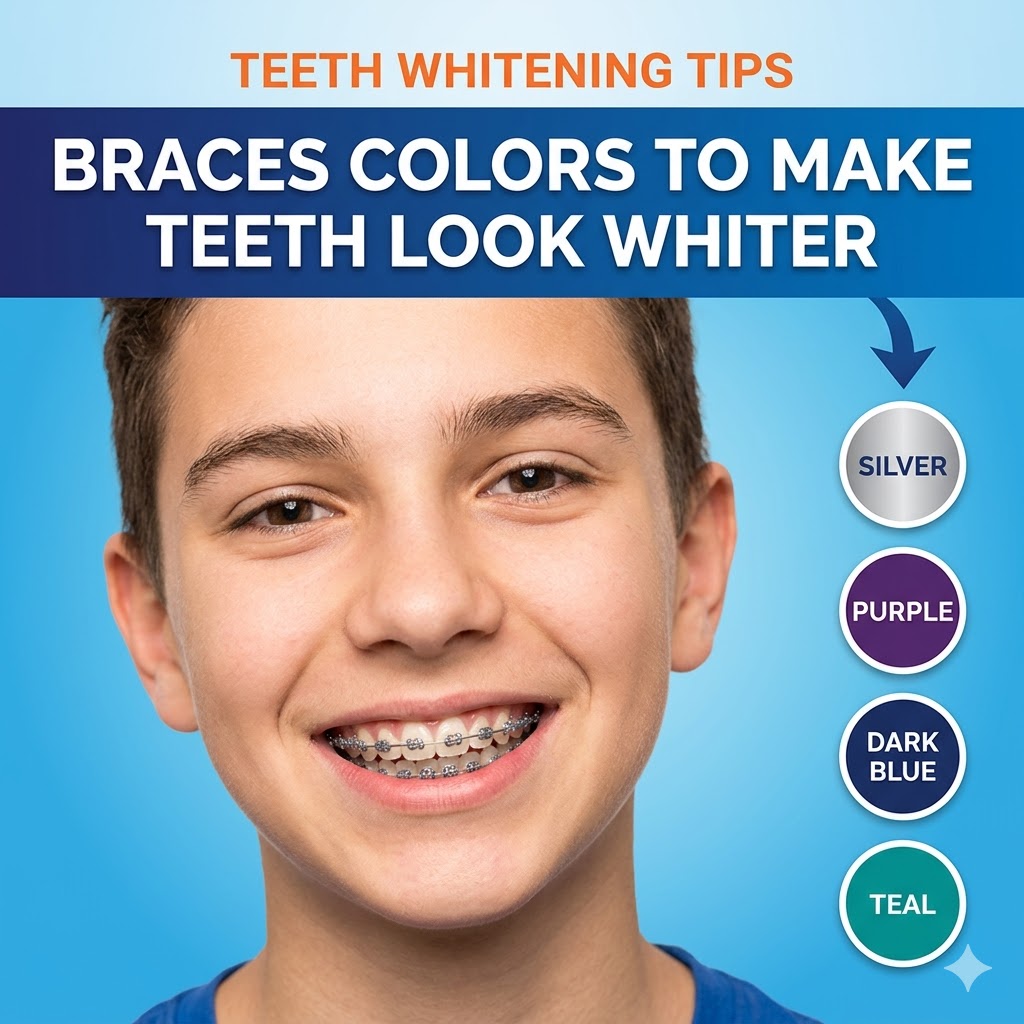
Getting braces is a major step toward achieving the straight, healthy smile of your dreams. However, the journey there involves making a few fun, yet surprisingly impactful, decisions—like choosing the color of your rubber bands (ligatures). Every time you visit the orthodontist for an adjustment, you are faced with a rainbow of choices. While some people choose their favorite colors, their school colors, or even festive holiday combinations, many patients share a common aesthetic goal: they want their teeth to look as white and bright as possible.
Believe it or not, the color you choose for your braces can significantly influence how bright your smile appears. By understanding a little bit about color theory, you can select shades that create a flattering optical illusion. As highlighted in a popular dental TikTok video, four specific colors stand out as the absolute best for making teeth look whiter. Let’s dive into what these colors are, why they work, and how you can maximize your smile’s brightness during your orthodontic treatment.
The Science Behind the Smile: How Color Contrast Works
Before we look at the specific colors, it is helpful to understand why certain bands make your teeth look whiter while others might make them look dull or yellow. It all comes down to color contrast and the color wheel. Human teeth naturally have slight yellow or off-white undertones; even the healthiest teeth are rarely stark, paper-white.
When you place a color next to your teeth, it influences how the eye perceives the shade of the enamel. Cool tones (colors with blue bases) tend to counteract yellow tones, making the teeth appear brighter. Conversely, warm tones (like yellows, oranges, and some reds) can highlight the natural yellow in your teeth. Darker colors also create a stark contrast against the lightness of your teeth, making the white pop. With this in mind, let’s explore the top four dentist-recommended braces colors for a whiter smile.
1. Teal or Light Blue-Green
If you want a color that is vibrant and fun but still flatters your smile, teal is a fantastic choice. Teal combines the cool, yellow-canceling properties of blue with a fresh, bright pop of green. It is a highly popular choice, especially in the spring and summer months, providing a cheerful aesthetic without compromising the brightness of your teeth.
While it is lighter than a deep navy, teal still provides enough contrast to make your teeth look radiant. It is an energetic color that flatters almost every skin tone. Just be sure to lean towards a true teal or blue-green rather than a pure, light yellow-green, as warm greens can sometimes mimic the look of food caught in your teeth!
2. Dark Blue (Navy)
Dark blue, particularly navy, is arguably the most highly recommended braces color for anyone looking to enhance the whiteness of their smile. Because blue is a strong cool tone, it naturally subdues any yellow undertones in your enamel. The darkness of a navy or deep blue also provides a brilliant contrast against your teeth.
Think of it like wearing a dark shirt; it makes your skin look lighter in contrast. Dark blue bands do the exact same thing for your teeth. Furthermore, dark blue is highly resistant to staining. If you consume heavily pigmented foods or drinks like coffee, tea, or tomato sauce, dark blue bands will maintain their color and continue to look fresh until your next appointment.
3. Silver
At first glance, silver might seem like a boring or default choice, but it is actually one of the smartest and most effective options available. Traditional metal braces feature silver-colored brackets and wires. When you choose silver or gray rubber bands, they blend seamlessly with the hardware.
This monochromatic look does two things. First, it minimizes the visual clutter on your teeth, drawing less attention to the braces themselves and more attention to your smile as a whole. Second, silver is a cool, neutral tone that doesn’t clash with your teeth or bring out any yellow. Additionally, silver bands do not stain easily, ensuring that your smile looks clean, polished, and bright throughout the month.
4. Purple
Purple is a phenomenal choice for a whiter-looking smile, and the reason lies directly in basic color theory. If you look at a standard color wheel, purple is situated directly opposite yellow. In the world of cosmetics and dentistry, opposite colors cancel each other out. This is the exact same science behind purple shampoos used to remove brassy, yellow tones from blonde hair, or purple color-correcting primers used in makeup.
By placing purple bands on your teeth, you are actively neutralizing the natural yellow undertones of your enamel. Deep purples, like plum or violet, work exceptionally well because they combine the color-correcting power of purple with the high contrast of a darker shade. It’s a stylish, unique choice that packs a powerful whitening punch.
Colors to Avoid
If your primary goal is a whiter smile, it is just as important to know which colors to avoid when you sit in the orthodontist’s chair:
-
White: It might seem intuitive to pick white to match your teeth, but rubber bands are almost always whiter than natural enamel. This makes your teeth look yellow by comparison. White bands also stain incredibly easily from everyday foods and drinks.
-
Yellow and Gold: These warm tones will immediately accentuate any existing yellow in your teeth.
-
Clear: Clear bands are great for a subtle look initially, but they are notorious for staining. A week of drinking coffee or eating heavily spiced foods can turn clear bands into a murky, yellowish-brown, making your whole smile look discolored.