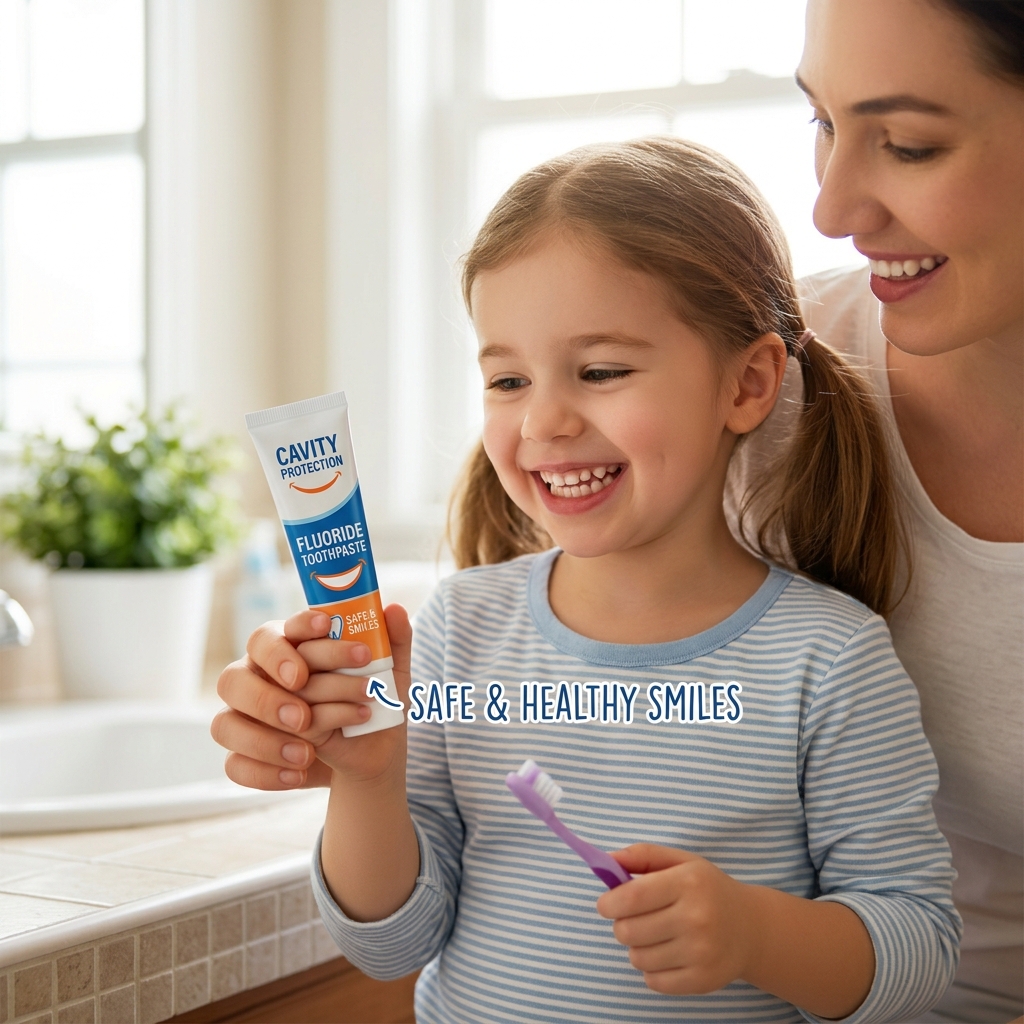
Seeing your baby’s first tooth pop up is an exciting milestone! But with that tiny tooth comes a big responsibility: protecting it from decay. You have probably heard about fluoride from your dentist or seen it on toothpaste labels, but you might still be wondering—is fluoride really necessary, and is it safe for my child?
Let’s break down the facts about fluoride so you can feel confident about your child’s dental health.
What is Fluoride and Why is it Important?
Fluoride is a naturally occurring mineral found in water, soil, and certain foods. In the dental world, it is often called “nature’s cavity fighter.”
Every day, the enamel (the hard outer layer of the teeth) loses minerals when acids formed from plaque bacteria and sugars in the mouth attack it. Fluoride helps repair this damage. For children, fluoride is essential because it:
-
Strengthens developing teeth before they even break through the gums.
-
Rebuilds weakened enamel on teeth that have already emerged.
-
Prevents tooth decay by making teeth more resistant to acid attacks.
The Right Amount at the Right Age
The key to using fluoride safely and effectively is using the right amount at the right stage of your child’s development. The American Academy of Pediatrics (AAP) and the American Dental Association (ADA) recommend the following guidelines:
1. Babies and Toddlers (Under 3 Years Old)
Start brushing as soon as the very first tooth appears. Use a smear or rice-grain-sized amount of fluoride toothpaste twice a day. This tiny amount is safe even if your baby swallows a little bit of it.
2. Preschoolers (Ages 3 to 6 Years)
Once your child turns three, you can increase the amount of fluoride toothpaste to the size of a pea. At this age, you should actively encourage your child to spit out the toothpaste rather than swallow it, though a pea-sized amount keeps risks low if they occasionally ingest it.
Parenting Tip: Always supervise brushing until your child is at least 7 or 8 years old to ensure they are using the correct amount of toothpaste and spitting it out properly.
Is Fluoride Safe for Kids?
It is completely normal to have safety concerns about what goes into your child’s body. The short answer is: Yes, fluoride is safe and highly effective when used as directed.
The main risk associated with fluoride is a cosmetic condition called dental fluorosis, which causes faint white spots or streaks on the teeth. This only happens if a child consumes too much fluoride over a long period while their teeth are still developing under the gums. By sticking to the recommended “rice-grain” and “pea-sized” amounts, you minimize this risk while maximizing cavity protection.
Other Sources of Fluoride
Aside from toothpaste, your child might be getting fluoride from a few other places:
-
Tap Water: Many communities add a safe, strictly regulated amount of fluoride to public drinking water to reduce community tooth decay.
-
Dental Visits: Your pediatric dentist may apply a highly concentrated fluoride varnish or gel to your child’s teeth during their regular check-ups for an extra boost of protection.
The Bottom Line
Fluoride is one of the safest and most effective tools we have to protect children’s smiles. By using the right amount of toothpaste, supervising brushing time, and keeping up with regular dental check-ups, you are setting your child up for a lifetime of healthy teeth.
Always consult with your pediatric dentist or pediatrician to discuss a personalized dental care plan tailored to your child’s specific needs.