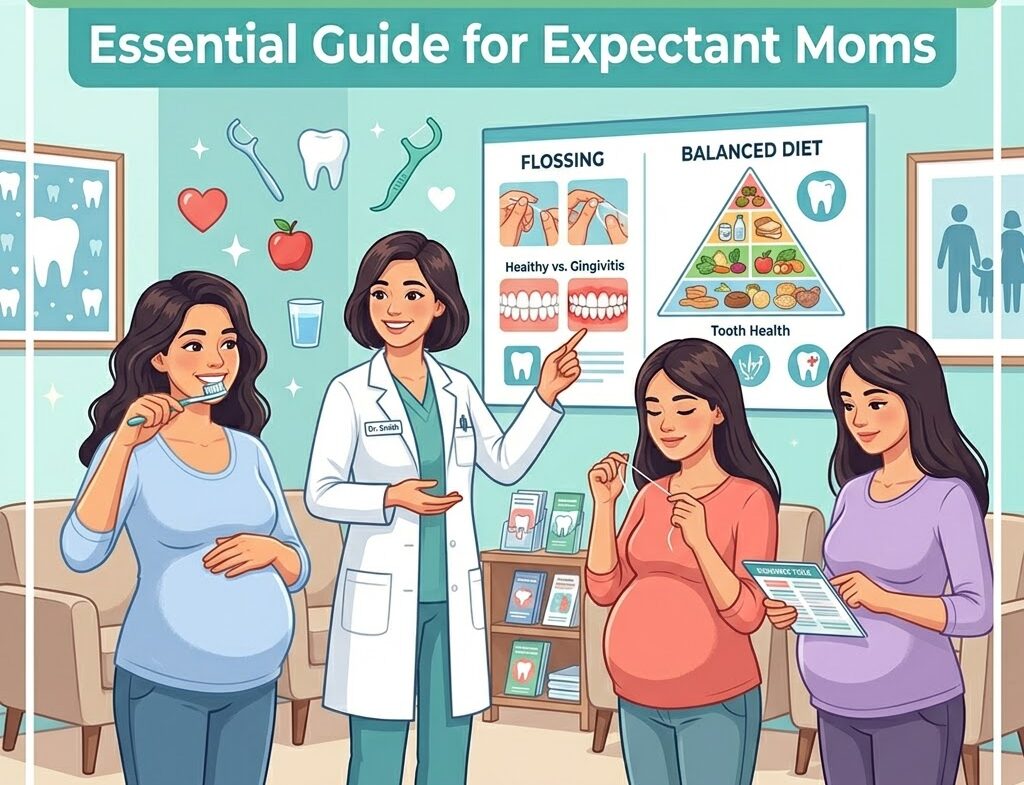
Pregnancy brings a whirlwind of changes to your body. From the famous “pregnancy glow” to the less glamorous morning sickness, it’s easy to focus solely on your growing belly. But amidst the baby registries and nursery planning, there is one crucial area you shouldn’t overlook: your oral health.
Taking care of your teeth and gums isn’t just about keeping your smile bright; it’s an essential part of your prenatal care. Here is everything you need to know about navigating dental health while expecting.
Why Pregnancy Changes Your Mouth
You might be surprised to learn that pregnancy can directly impact your dental health. The main culprit? Hormones.
During pregnancy, your body produces significantly higher levels of estrogen and progesterone. This hormonal surge increases the blood flow to all your mucous membranes—including your gums—making them more sensitive and exaggerated in their response to the bacteria in plaque.
Common Dental Issues to Watch For
Because of these bodily changes, expectant mothers are more prone to certain oral health conditions:
-
Pregnancy Gingivitis: If your gums look red, feel tender, or bleed when you brush and floss, you are likely experiencing pregnancy gingivitis. This affects nearly half of all pregnant women, usually peaking in the third trimester.
-
Increased Risk of Tooth Decay: Late-night cravings for sugary or carb-heavy foods can increase the risk of cavities. Additionally, if you suffer from morning sickness, the stomach acid from vomiting can erode your tooth enamel over time.
-
“Pregnancy Tumors” (Pyogenic Granulomas): Don’t let the name scare you! These are benign (non-cancerous), red, swollen lumps that sometimes form on the gums, usually between the teeth. They bleed easily but typically disappear on their own after you give birth.
How to Protect Your Smile (and Your Baby)
The good news is that maintaining excellent oral hygiene is completely within your control. Plus, research suggests a link between severe gum disease in pregnant women and premature birth or low birth weight, meaning a healthy mouth directly supports a healthy baby.
Here are the best ways to protect your dental health during pregnancy:
1. Upgrade Your Daily Routine
Brush your teeth at least twice a day using fluoride toothpaste and a soft-bristled toothbrush to avoid irritating sensitive gums. Don’t forget to floss daily to remove plaque from places your brush can’t reach.
2. Manage Morning sickness Smartly
If you vomit due to morning sickness, do not brush your teeth immediately. Your enamel is temporarily softened by the stomach acid, and brushing can scrape it away. Instead, rinse your mouth with a mixture of 1 teaspoon of baking soda in a cup of water to neutralize the acid, and wait about 30 minutes before brushing.
3. Keep Your Dental Appointments
Yes, going to the dentist while pregnant is not only safe—it’s highly recommended! Inform your dentist that you are pregnant and tell them how far along you are. Routine cleanings and exams are perfectly safe, and necessary treatments (like cavity fillings) can usually be performed, especially during the second trimester.
4. Eat for Your Teeth
A balanced diet is great for your baby’s development and your smile. Focus on foods rich in calcium (like milk, cheese, and yogurt), protein, and vitamins A, C, and D. Try to limit sugary snacks and drinks, which feed the cavity-causing bacteria in your mouth.