When it comes to our morning and evening routines, most of us operate on autopilot. We wake up, head to the bathroom, and run through the same sequence of brushing, flossing, and rinsing that we were taught as children. But what if the habits ingrained in us for decades are actually counterproductive? What if the very steps we take to protect our teeth are secretly undermining our oral health?
Recent insights from dental professionals are turning traditional oral hygiene advice on its head. It turns out that some of the most common practices—from the way we rinse our mouths to the gadgets we buy for a brighter smile—are rooted in misconception rather than science.
In this comprehensive health update, we are breaking down a viral revelation about dental care that has left millions asking: “Why did no one tell me that?” From the controversial “spit, don’t rinse” rule to the truth behind aesthetic dental gadgets, here is everything you need to know to optimize your daily dental hygiene routine and protect your smile for the long haul.
Mistake #1: Rinsing With Water After Brushing
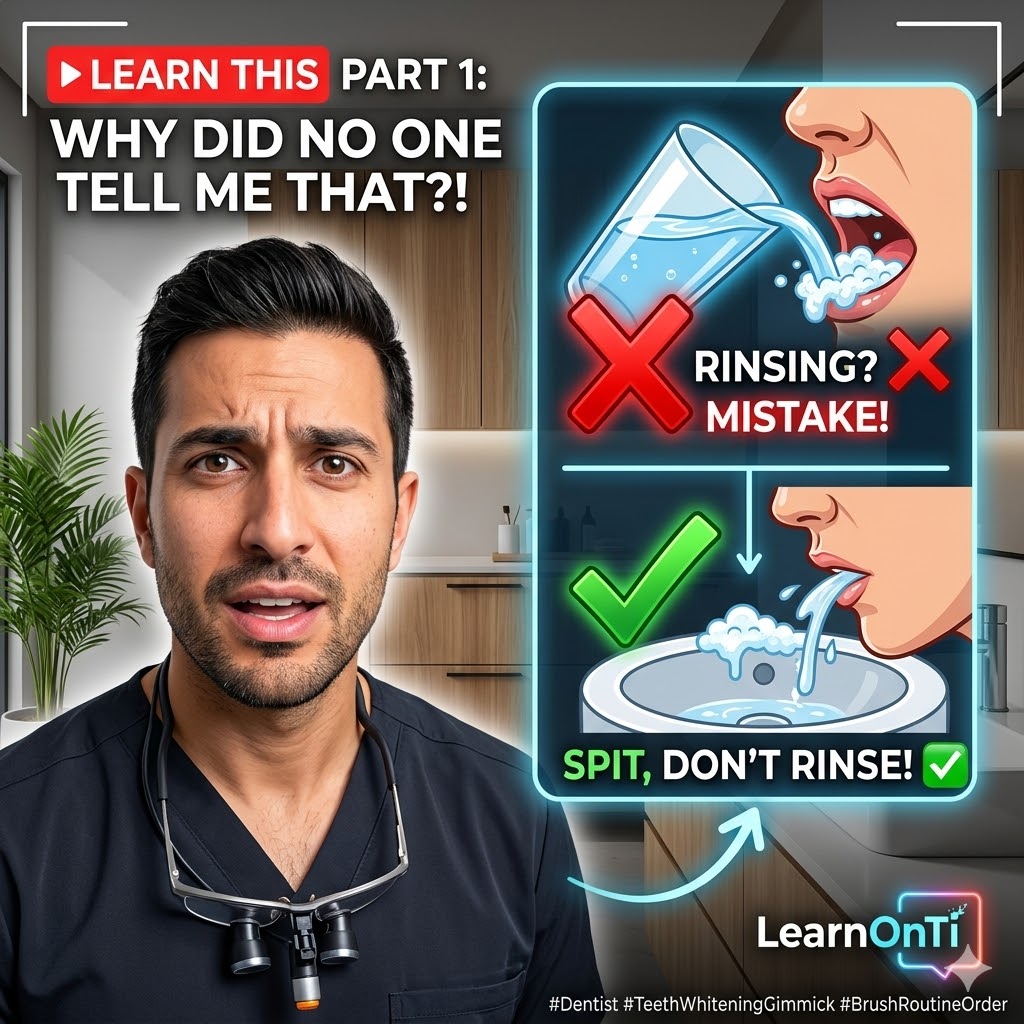
For generations, the standard teeth-cleaning procedure has been straightforward: apply toothpaste, brush thoroughly for two minutes, spit, and then aggressively rinse your mouth out with a cup of water or from the tap. It feels clean, refreshing, and entirely logical. However, dental experts warn that this final step is one of the biggest disservices you can do to your teeth.
The “Spit, Don’t Rinse” Methodology
When you finish brushing your teeth, you are not supposed to rinse your mouth out with water. Instead, you should simply spit out the excess toothpaste.
Why is this so crucial? Toothpaste is not just a soap for your teeth; it is a highly formulated topical treatment designed to deliver essential minerals—primarily fluoride—directly to your enamel. Fluoride works by remineralizing the surfaces of your teeth, making them stronger and vastly more resistant to the acid attacks caused by plaque bacteria and the sugars in your daily diet.
Losing Your 24-Hour Shield
When you immediately rinse your mouth with water after brushing, you completely wash away this protective layer of fluoride before it has the opportunity to absorb into the enamel. The video highlights a critical fact: by washing the paste away, you are actively stripping your teeth of the 12 to 24 hours of protection that the toothpaste was formulated to provide.
Leaving a thin layer of toothpaste residue on your teeth allows the active ingredients to continue working long after you have put your toothbrush away. While it may feel slightly unfamiliar or gritty at first, skipping the water rinse is the absolute best way to maximize cavity prevention. If you find the lingering taste too intense, try using a smaller amount of toothpaste, but resist the urge to wash away your dental shield.
Mistake #2: Falling for the “Blue Light” Teeth Whitening Gimmick
In the age of social media aesthetics, the demand for a blindingly white smile has skyrocketed. This desire has birthed a massive industry of over-the-counter teeth whitening kits, many of which prominently feature a glowing “blue light” device. You have likely seen influencers holding these futuristic-looking LED trays in their mouths, claiming it is the secret to their perfect smiles.
The Illusion of LED Activation
The harsh truth? These blue lights are largely a marketing gimmick. Whether you purchase them in an expensive at-home kit or even see them being used in some professional dental offices, the blue light itself does virtually nothing to whiten your teeth.
Teeth whitening is a chemical process, not a photogenic one. The actual whitening occurs due to active bleaching agents, such as hydrogen peroxide or carbamide peroxide, which break down stains on a molecular level within the porous structure of your enamel.
Why Do Dentists Use Them?
You might wonder why even some dental professionals utilize blue lights during whitening treatments if they do not work. The reality is that the light acts primarily as a psychological tool—a prop that makes the procedure feel more advanced, high-tech, and worthy of a premium price tag. In some minor cases, heat from certain lights might slightly accelerate the chemical reaction of the peroxide, but the blue LED light itself is not magically lifting stains.
Furthermore, blue lights can cause temporary dehydration of the teeth, which makes them appear chalky and artificially whiter for a brief period immediately after the treatment. Once the teeth rehydrate with natural saliva, that exaggerated brightness fades. If you are looking for genuine teeth whitening, skip the expensive light-up gadgets and invest in high-quality whitening strips or custom trays provided by a dental professional that rely on proper peroxide concentrations.
Mistake #3: Doing Your Routine in the Wrong Order
Even if you have all the right tools—dental floss, an antibacterial mouthwash, and a high-quality toothbrush—using them in the wrong sequence can severely diminish their effectiveness. Most people intuitively brush their teeth first, followed by flossing, and finish off with a vigorous swish of mouthwash.
According to dental professionals, this common order is entirely backwards. To achieve a truly clean mouth and maintain strong enamel, you must follow a specific, strategic sequence.
The Ultimate Dental Care Sequence
1. Floss First Flossing should always be step number one. The primary goal of flossing is to dislodge trapped food particles, plaque, and bacteria from the tight spaces between your teeth and along the gumline—areas where a toothbrush bristle simply cannot reach. By flossing first, you physically pull this hidden debris out into the open.
2. Follow Up With Mouthwash Once you have successfully dislodged the plaque and food debris through flossing, it is time for mouthwash. Swishing a high-quality, alcohol-free mouthwash acts as a liquid broom. It flushes out all the loose particles you just freed from between your teeth, sweeping them away and sanitizing the entire oral cavity.
3. Finish With Brushing Brushing must always be the final step of your routine. Now that the spaces between your teeth are clear and the loose debris has been washed away, your toothbrush can effectively clean the exposed surfaces. More importantly, as we learned in Mistake #1, brushing leaves a crucial, protective layer of fluoride on your enamel.
If you were to use mouthwash after brushing, the liquid would completely strip away that delicate fluoride barrier, undoing all the chemical benefits of your toothpaste. By saving the brush for last—and remembering to spit, not rinse—you ensure that your teeth remain coated, protected, and fortified against decay until your next routine.
Conclusion
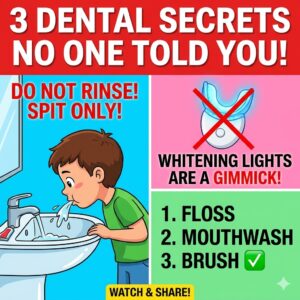
Perfecting your personal health routines often means unlearning the habits of the past. By making these three simple adjustments—spitting instead of rinsing, ignoring blue light gimmicks, and reordering your nighttime routine to Floss, Mouthwash, and Brush—you can drastically elevate your oral hygiene. Implementing these expert-backed strategies will not only save you money on useless cosmetic gadgets but will provide your teeth with the genuine, lasting protection they need to stay healthy, strong, and naturally bright.