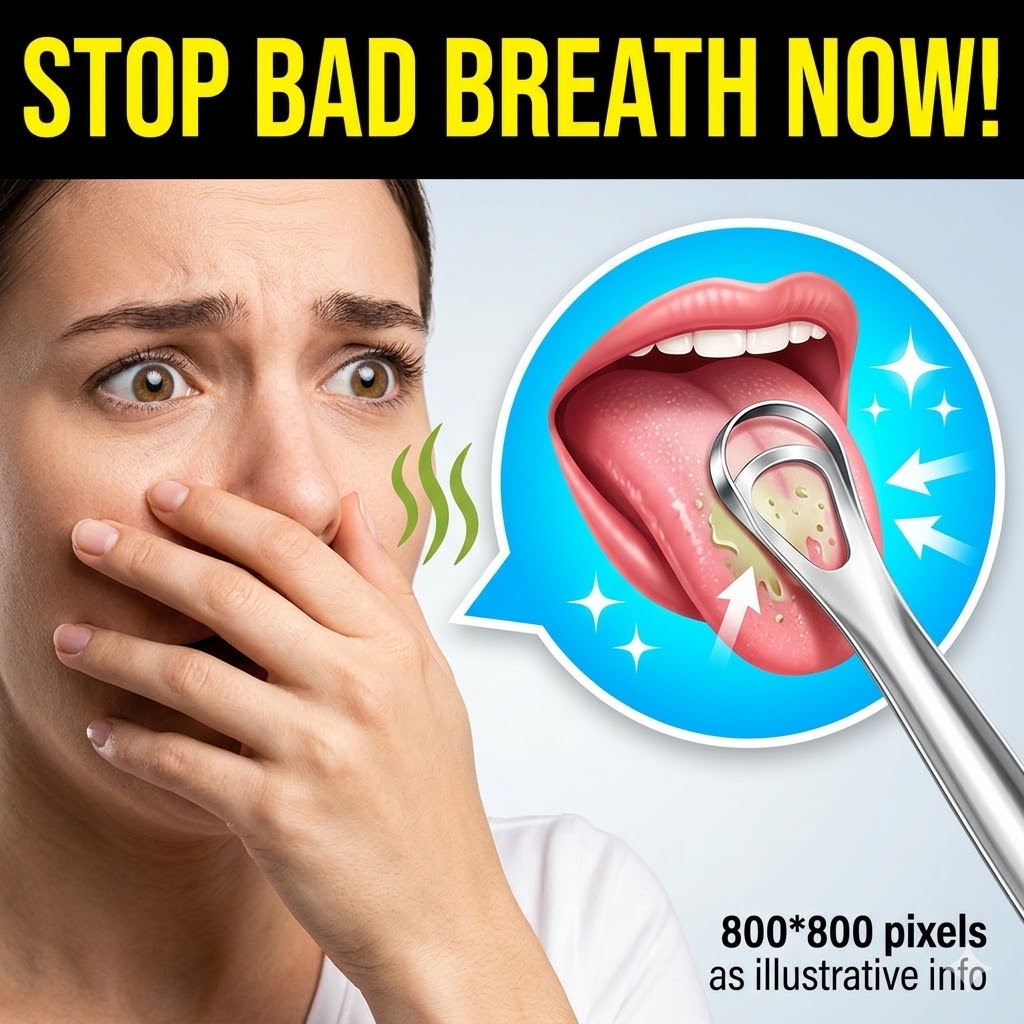
We have all been there—that sudden wave of self-consciousness when you realize your breath might not be as fresh as you thought. Whether you are leaning in for a conversation, heading into an important meeting, or going on a date, bad breath (clinically known as halitosis) can be a major source of anxiety. For decades, the mainstream solution has been a heavy reliance on breath mints, chewing gum, and alcohol-based mouthwashes. However, these are merely temporary bandages that mask the problem rather than solve it.
If you want a permanent, highly effective solution to bad breath, the secret isn’t found in a sugary mint. As dental professionals continually point out, the easiest and most effective way to drastically improve your breath is by using a simple, ancient tool: the tongue scraper.
The Hidden Culprit: Why Does Bad Breath Happen?
To understand why tongue scraping is so remarkably effective, we first need to look at what causes bad breath in the first place. While diet, hydration, and underlying health conditions play a role, the vast majority of bad breath originates right inside the mouth.
Take a close look at your tongue in the mirror. It is not a smooth surface. The human tongue is covered in tiny bumps called papillae. Under a microscope, your tongue looks a lot like a thick, shaggy carpet. Throughout the day and night, this “carpet” traps microscopic food particles, dead skin cells, and microscopic debris.
This trapped debris creates the perfect breeding ground for anaerobic bacteria. As these bacteria feed on the proteins left behind in your mouth, they release Volatile Sulfur Compounds (VSCs). It is these sulfur compounds that produce the foul, rotten-egg smell we recognize as bad breath. The white or yellowish coating you sometimes see on the back of your tongue in the morning? That is a thick biofilm of bacteria and VSCs waiting to be cleared away.
Brushing vs. Scraping: Why Your Toothbrush Isn’t Enough
A common misconception is that simply brushing your tongue with your toothbrush is enough to keep it clean. While brushing your tongue is better than ignoring it entirely, it is highly inefficient.
Toothbrushes are designed with soft, upright bristles meant to sweep plaque off the hard, smooth enamel of your teeth. When you use those same bristles on the soft, spongy surface of your tongue, you are mostly just stirring the bacteria around. Brushing tends to push the biofilm deeper into the crevices of the papillae rather than removing it.
A tongue scraper, on the other hand, is specifically designed for this exact job. Usually made of a U-shaped piece of stainless steel, copper, or medical-grade plastic, a scraper applies firm, even pressure. It glides over the surface of the tongue, physically lifting and dragging the toxic biofilm up and out of the mouth.
The Remarkable Benefits of Tongue Scraping
Incorporating a tongue scraper into your daily routine takes less than ten seconds, but the benefits extend far beyond just fresh breath.
-
Instant Breath Freshening: By removing the primary source of odor-causing bacteria, tongue scraping drastically reduces VSCs in the mouth. It is the most direct and immediate way to cure morning breath.
-
Heightened Sense of Taste: When your tongue is coated in a thick layer of mucus and bacteria, your taste buds are physically blocked. Scraping clears this palate, allowing your taste buds to fully engage with your food. You may find that your meals taste richer and more vibrant.
-
Better Overall Dental Health: The bacteria living on your tongue don’t just stay there. They migrate to your teeth and gums, contributing to plaque buildup, tooth decay, and gingivitis. By scraping your tongue, you are lowering the overall bacterial load in your entire mouth.
-
Improved Digestive Health: Digestion begins in the mouth. In Ayurvedic medicine, tongue scraping has been practiced for centuries to remove “ama” (toxins) and stimulate the digestive organs. A clean mouth ensures that you are swallowing food and beneficial enzymes, rather than harmful bacterial waste.
How to Choose and Use a Tongue Scraper
When selecting a tongue scraper, metal options are generally preferred. Stainless steel and copper scrapers are naturally antimicrobial, easy to clean, incredibly durable, and eco-friendly. Plastic scrapers work well but need to be replaced more frequently.
Here is the proper way to use your scraper:
-
Timing is Everything: The best time to scrape your tongue is first thing in the morning, right after you wake up and before you brush your teeth or drink water. This removes the bacteria that accumulated overnight.
-
The Technique: Stand in front of a mirror, open your mouth, and stick your tongue out as far as is comfortable.
-
Gentle Pressure: Place the rounded end of the scraper at the very back of your tongue. Apply gentle, even pressure and pull the scraper forward toward the tip of your tongue. Never push the scraper backward.
-
Rinse and Repeat: Rinse the thick, yellowish residue off the scraper under warm tap water. Repeat this scraping process 3 to 5 times until the scraper comes away clean and your tongue looks pink and healthy.
-
Wash the Tool: Wash your scraper with warm water and soap, and let it dry.
The Final Word
If you have been struggling with bad breath or simply want to elevate your personal hygiene, it is time to look beyond the toothbrush. By investing in a tongue scraper and dedicating ten seconds a day to this simple practice, you can eliminate odor-causing bacteria, protect your teeth, and speak with absolute confidence. It truly is the easiest, cheapest, and most effective way to revolutionize your oral health.