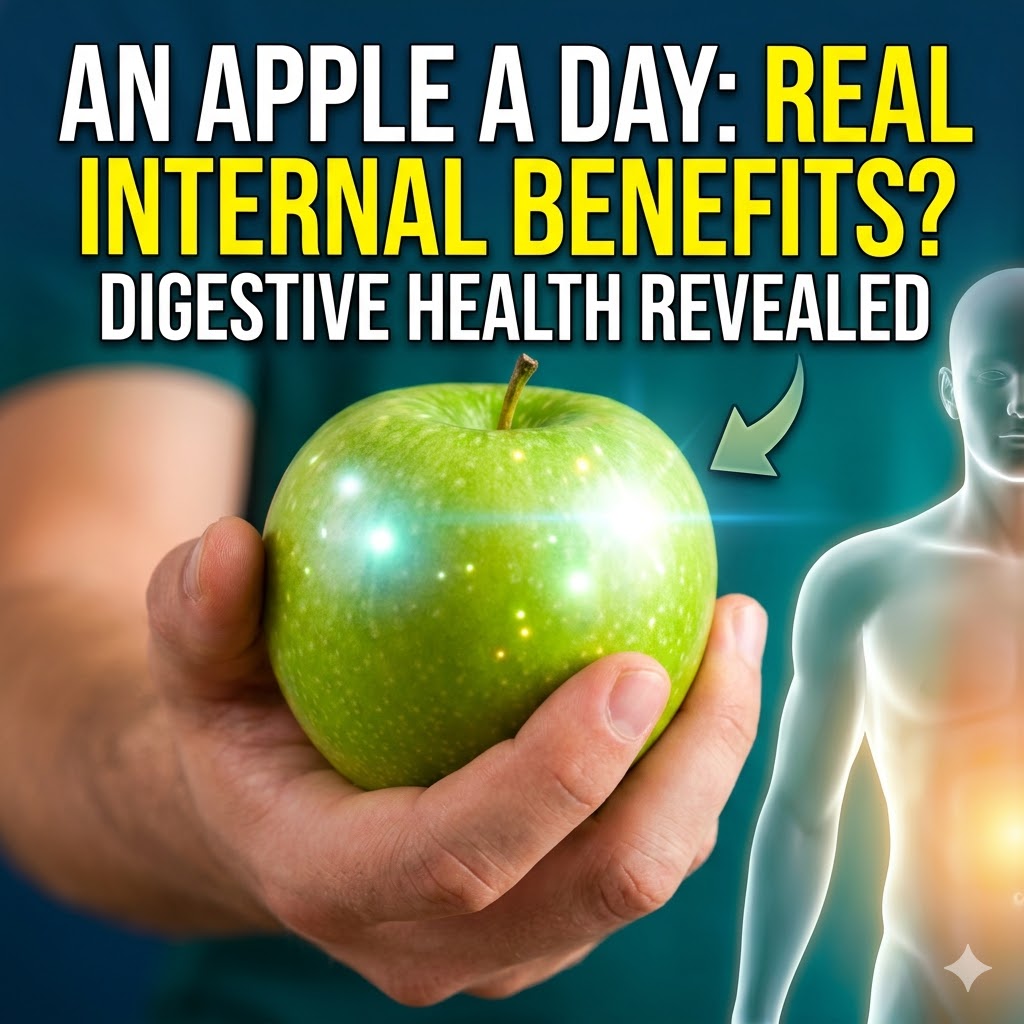
We have all heard the age-old adage: “An apple a day keeps the doctor away.” It is a phrase so common that it often fades into the background of our nutritional advice, dismissed as a simple nursery rhyme rather than a scientific fact. However, when we take a closer, literal look inside the human body—tracing the journey of this crisp, green fruit from the first bite down into our intricate internal systems—the profound truth behind this saying comes to light.
Eating is not just a mechanism for satisfying hunger; it is a direct conversation with our organs. When we consume wholesome, natural foods, we are sending vital signals and nutrients that power our physiological engine. Let us explore the remarkable journey of an apple through your digestive tract and uncover how this humble fruit nourishes your lungs, liver, stomach, and intestines.
The First Bite: Saliva and the Esophagus
The journey of wellness begins the moment you take a bite. As the crisp flesh of a green apple breaks apart, your salivary glands instantly go to work. Saliva contains enzymes that begin the digestive process right there in your mouth, breaking down complex carbohydrates into simpler sugars.
As you swallow, the apple travels down the esophagus, a muscular tube that acts as the highway to your stomach. The vivid, refreshing hydration of a green apple—which is composed of about 86% water—helps ensure this transit is smooth. This immediate influx of water and natural sugars provides an instant, clean energy boost, unlike the sudden spikes and crashes associated with processed foods.
The Stomach: The Acidic Breakdown and Pectin Power
Once the apple reaches the stomach, it encounters a powerful environment of gastric acids and digestive enzymes. Here, the fruit is churned and broken down further. What makes apples particularly special at this stage is their high concentration of pectin.
Pectin is a unique type of soluble dietary fiber found abundantly in the skin and core of apples. In the stomach, pectin transforms into a gel-like substance. This transformation is crucial for several reasons:
-
Sustained Energy: The gel slows down the emptying of the stomach, which helps regulate the release of sugars into the bloodstream, preventing blood sugar spikes.
-
Satiety: It promotes a feeling of fullness, making apples an excellent, natural way to manage appetite and support mindful eating.
The Liver: Detoxification and Antioxidant Support
As the stomach processes the apple, the extracted nutrients are absorbed into the bloodstream and sent straight to the liver—the body’s ultimate filtration plant. The liver works tirelessly to process nutrients and detoxify harmful substances.
Apples are a natural ally for the liver. They are incredibly rich in a specific class of antioxidants called polyphenols, which help reduce inflammation and protect liver cells from oxidative stress. Furthermore, the malic acid found in apples (especially tart green apples) naturally aids in the cleansing process, helping the liver flush out toxins more efficiently. By providing these essential antioxidants, an apple gives your liver the vital support it needs to keep your entire system running cleanly.
The Lungs: Breath of Fresh Air
You might not immediately associate eating fruit with respiratory health, but your lungs are major beneficiaries of your daily apple. The vibrant visual of healthy lungs expanding and contracting relies heavily on a diet rich in specific vitamins.
Apples contain high levels of a potent flavonoid called quercetin, particularly concentrated in their skin. Research has consistently shown that diets high in quercetin are linked to better lung function and a reduced risk of respiratory issues. This powerful antioxidant helps protect the delicate tissues of the lungs from environmental pollutants and oxidative damage. Every time you crunch into an apple, you are actively delivering protective compounds that support clearer, healthier breathing.
The Intestines: Fueling the Microbiome
The final, and perhaps most transformative, leg of the apple’s journey takes place in the intestines. As the remaining fibrous parts of the apple pass into the gut, they perform a crucial role: they act as a prebiotic.
Your gut microbiome is a bustling metropolis of trillions of beneficial bacteria that dictate everything from your immune system strength to your daily mood. These bacteria thrive on the exact type of fiber that apples provide. When the apple’s prebiotic fibers reach the colon, they ferment, producing short-chain fatty acids (SCFAs) like butyrate. These SCFAs are the primary energy source for the cells lining your colon, promoting a strong intestinal barrier, reducing systemic inflammation, and ensuring a smooth, healthy digestive flow.
Conclusion: A Symphony of Natural Health
Watching the intricate, glowing process of digestion reminds us that our bodies are deeply connected to the natural world. A single green apple does not just fill our stomachs; it cascades through our system, offering hydration, delivering antioxidants to the liver, protecting the lungs with flavonoids, and feeding the vital bacteria in our gut.
True wellness is not always found in complex, synthesized supplements. More often than not, it is found in the simple, vibrant, earth-grown foods we choose to consume every day. The next time you reach for a snack, remember the incredible internal journey that follows. Embracing a natural lifestyle is about understanding this connection—and it truly does start with an apple a day.