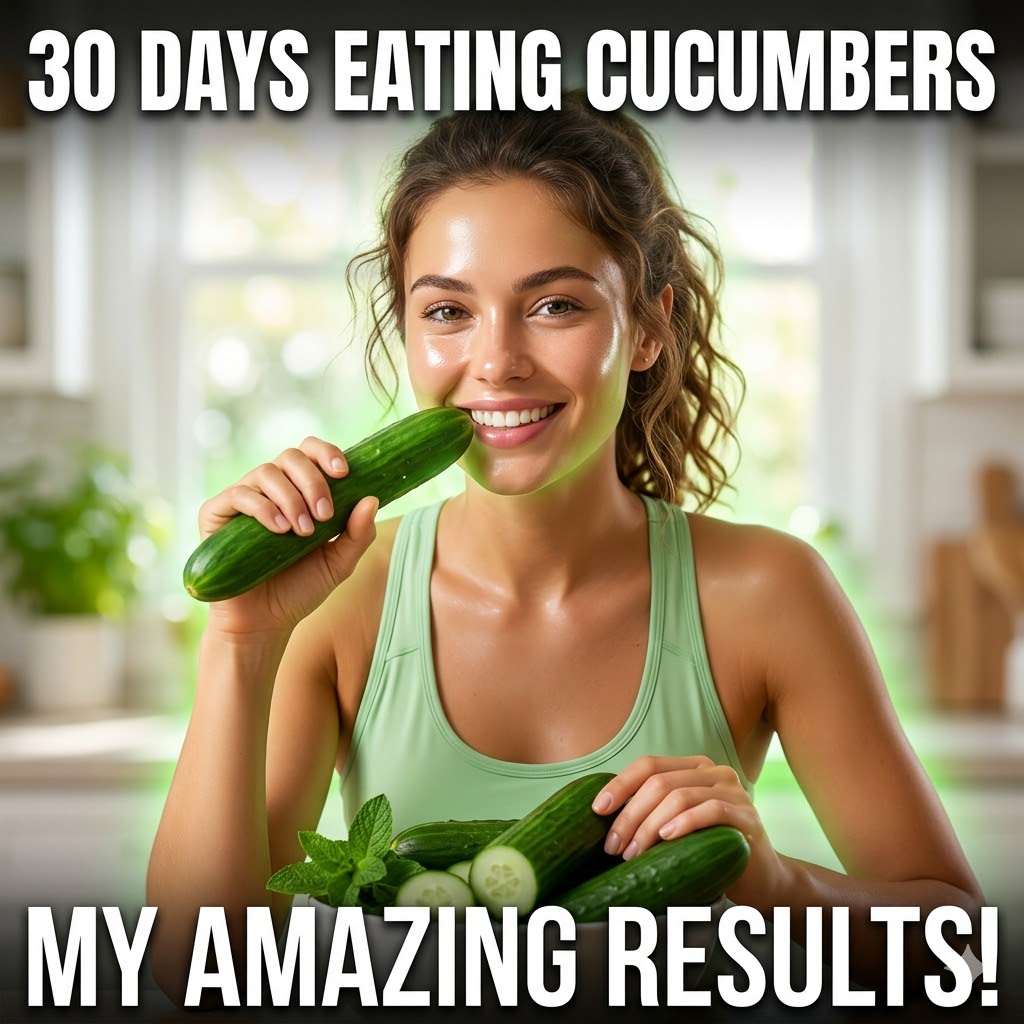
Crisp, refreshing, and often relegated to a mere salad garnish, the humble cucumber is a nutritional powerhouse hiding in plain sight. Many of us add a few slices to our water or toss them into a bowl of greens without a second thought. But what if you committed to eating one entire cucumber every single day for a month?
The results might surprise you. From instant hydration to long-term cardiovascular and gut health benefits, this 30-day dietary experiment offers a fascinating look into how a simple, everyday vegetable can transform your well-being. Let’s break down the scientific timeline of what happens to your body when you eat a whole cucumber daily for 30 days.
The First 30 Minutes: A Surge of Hydration and Electrolytes
Almost immediately after consuming your daily cucumber, your body begins to reap the benefits of its remarkable water content. Cucumbers are composed of approximately 96% water, making them one of the most hydrating foods available in the produce aisle. Within just half an hour, your digestive system absorbs this crisp hydration, providing a refreshing, revitalizing boost to your cells.
But it’s not just plain water you’re getting. This initial digestion phase delivers essential electrolytes that are crucial for maintaining bodily functions. One medium-sized cucumber provides a vital dose of potassium (around 152 milligrams) and magnesium. These minerals work together to regulate fluid balance, nerve signals, and muscle contractions. You gain this sudden surge of hydration and functional nutrients for a mere 45 calories, making it an incredibly efficient and guilt-free addition to your day.
Day 1: Fortifying Bone Health and Blood Function
As you complete your first day of the challenge, vital micronutrients begin to take effect. By consuming the whole cucumber—especially if you keep the nutrient-dense skin on—you ingest about 1.5 grams of dietary fiber and a massive dose of Vitamin K.
Vitamin K is an unsung hero in daily nutrition. Just one cucumber can provide up to 40% of the recommended daily intake for men and a staggering 55% for women. Research demonstrates that this vital nutrient immediately gets to work supporting your skeletal system and circulatory health. It plays a foundational role in bone mineralization, helping to maintain strong, healthy bones as we age. Simultaneously, Vitamin K is essential for proper blood clotting functions. Even after just 24 hours, your body utilizes these compounds to fortify its internal defenses.
Day 12: Easing Blood Pressure and Supporting the Heart
Approaching the two-week mark, the cumulative effects of daily consumption start to show measurable cardiovascular benefits. By Day 12, clinical observations suggest that individuals may begin to see improvements in their blood pressure readings.
This is largely due to the sustained intake of potassium. Potassium acts as a natural vasodilator, easing the tension in blood vessel walls. Furthermore, it plays a critical role in helping the kidneys flush out excess sodium through urine. Modern diets are often notoriously high in sodium, a primary driver of hypertension. Research focusing on elderly participants with high blood pressure revealed that regular cucumber consumption led to a noticeable reduction in their blood pressure after just twelve days, highlighting the vegetable’s potential as a powerful dietary tool for heart health.
Week 3: Transforming Gut Health and Digestion
As you cross into the third week, your gastrointestinal tract experiences a significant positive shift. The consistent daily intake of fiber—specifically a type of soluble fiber called pectin—begins to drastically improve digestive efficiency.
Pectin is highly beneficial for your gut microbiome. It acts as a prebiotic, feeding the beneficial bacteria that reside in your intestines. As these good bacteria flourish, they help speed up intestinal movement and enhance overall bowel regularity. Studies have consistently shown that pectin increases digestive smoothness and reduces issues like constipation. By week three, the cumulative effect of this daily fiber infusion means your digestive system is likely operating much more efficiently, processing foods better, and absorbing nutrients more effectively.
Day 30: The Ultimate Antioxidant Defense
Reaching the end of the 30-day challenge unlocks the profound, cumulative antioxidant benefits of cucumbers. Over the month, your body has absorbed a steady stream of flavonoids, tannins, and other protective compounds.
A notable study measuring thirty older adults found that introducing cucumber supplements caused significant increases in antioxidant activity markers across the board. These antioxidants are your body’s primary defense against oxidative stress and systemic inflammation. They actively seek out and neutralize free radicals—unstable molecules that can damage cells and contribute to chronic diseases and premature aging. By day 30, your cells are better protected, and your body is fortified at a microscopic level.
Important Guidelines and Precautions
While the benefits are extensive, it is crucial to approach this 30-day protocol safely and correctly:
-
How to Start: Nutritionists recommend starting slowly—perhaps with half a cucumber daily—and gradually increasing to a whole one (about 8 inches or 300g).
-
Preparation: Always eat them fresh and with the peel intact to maximize nutrient and fiber intake. Be sure to wash them thoroughly before eating. You can slice them into salads, blend them into smoothies, or simply eat them whole.
-
Medical Warnings: Cucumbers aren’t for everyone in large quantities. If you are on blood-thinning medications (like Warfarin), the high Vitamin K content can interfere with your treatment. Those with kidney disease should carefully monitor their potassium intake, and individuals prone to digestive distress might find excessive consumption causes temporary bloating or gas.