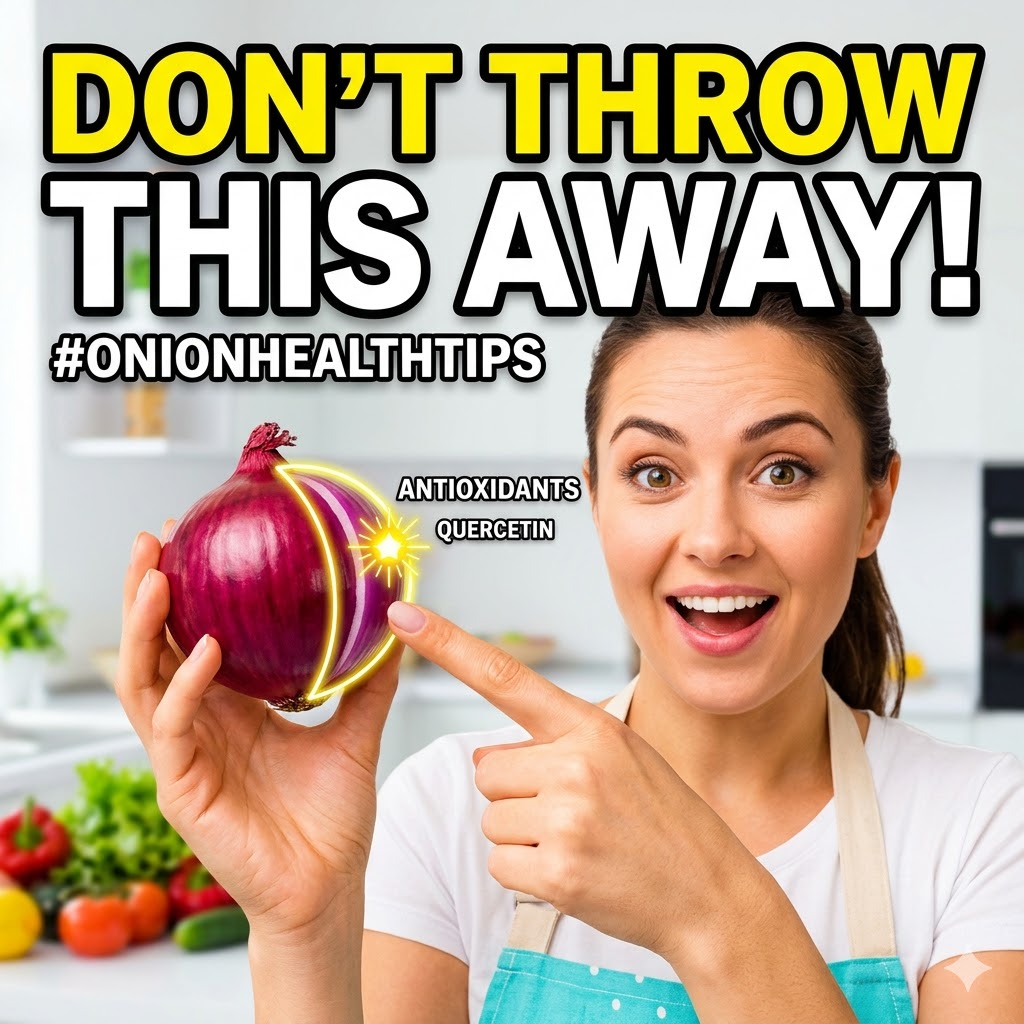
Every day, millions of home cooks make a simple, seemingly harmless mistake in the kitchen. When preparing a meal that calls for an onion—a staple ingredient in nearly every culinary tradition around the world—the standard procedure is to slice off the ends and peel away the dry skin. However, in our rush to get to the crisp, fleshy center, most people throw away the first few edible layers along with the papery exterior.
This common culinary habit is costing you a significant nutritional boost. Those outermost edible layers, which often end up in the compost bin or trash can, are actually a goldmine of health-promoting compounds. Understanding what is hidden in those outer layers might completely change the way you prepare your meals.
The Hidden Treasure: The Power of Quercetin
The secret to the onion’s nutritional power lies in a vital phytonutrient called quercetin. Quercetin is a type of flavonoid, a naturally occurring plant pigment that is responsible for giving many fruits, vegetables, and flowers their vibrant, distinct colors.
More importantly, in the realm of human health and wellness, quercetin acts as a highly potent antioxidant. Antioxidants are absolutely crucial for our bodies because they help neutralize free radicals—unstable molecules that can cause oxidative stress, leading to cellular damage and contributing to chronic diseases over time.
While onions as a whole are a fantastic addition to a healthy diet, the distribution of these beneficial compounds is not uniform throughout the vegetable. Nature has designed the onion with a specific defensive architecture. As a result, the absolute highest concentration of quercetin is found in the outermost edible layers of the flesh, right beneath the dry, papery skin.
Why the Outside Matters
Why does the plant concentrate its strongest nutritional defenses on the outside? In the natural world, the outer layers of a plant are its primary line of defense against severe environmental stressors. These stressors include harsh, direct sunlight, invasive insects, and harmful fungal infections.
To survive and thrive, the onion packs its outer shields with protective flavonoids like quercetin, which effectively act as natural pesticides and UV protectants. When you aggressively peel an onion, removing not just the papery skin but also the first one or two layers of the actual fleshy onion, you are inadvertently stripping away the highest concentration of these protective antioxidants. Studies have demonstrated that the concentration of flavonoids in onions decreases significantly as you move from the outer protective layers into the inner core.
It is also worth noting that the type of onion you choose matters when it comes to maximizing this nutritional benefit. Red and yellow onions are particularly rich in quercetin and other beneficial antioxidants. White onions, while still healthy and flavorful, contain significantly lower levels of these specific antioxidants. Therefore, when you are peeling a deeply colored red or yellow onion, you are holding a nutritional powerhouse, making it even more important to preserve those precious outer layers.
The Health Benefits of a Quercetin-Rich Diet
So, what exactly can a quercetin-rich diet do for your body? By simply keeping those outer layers intact, you are accessing a compound whose health benefits are extensive and scientifically backed:
-
Reduces Systemic Inflammation: Chronic inflammation is a known foundational contributor to a wide host of health issues, ranging from arthritis to metabolic disorders. Quercetin possesses remarkably strong anti-inflammatory properties. It helps to naturally inhibit the release of histamines and other inflammatory markers in the body. This mechanism can lead to reduced swelling, less joint pain, and a much more balanced, resilient immune response.
-
Supports Cardiovascular Health: Your cardiovascular system relies heavily on a diet rich in antioxidants to function at its absolute best. Quercetin helps protect against heart disease by encouraging healthy, unobstructed blood flow, preventing the harmful oxidation of LDL (bad) cholesterol, and supporting the overall structural integrity of your blood vessels. By keeping your arteries clear and flexible, the nutrients found in the outer layers of the onion play a direct role in maintaining a strong, healthy heart.
-
Boosts Cellular Health and Immunity: The potent antioxidant capacity of quercetin means it actively patrols your bloodstream, scavenging for free radicals that threaten to damage your DNA and vital cell membranes. This protective cellular effect not only supports healthy aging but also drastically strengthens the body’s overall resilience against daily stressors, environmental toxins, and seasonal illnesses.
How to Maximize Your Onion’s Nutritional Value
Knowing the immense nutritional value of these outer layers is only half the battle; integrating them into your daily cooking routine is the next essential step. To maximize your onion’s nutritional value, simply change your preparation routine.
-
Wash Thoroughly: First, ensure you wash the onion thoroughly to remove any dirt or residue from the outside.
-
Peel Gently: When peeling, use a gentle touch. Carefully peel away only the dry, non-edible, papery skin, leaving the first fleshy layer entirely intact.
-
Adapt Your Cooking: If you find that the outermost edible layer is a bit too tough or fibrous for a raw dish like a salad, do not throw it away. Instead, chop it finely for rich soups, hearty stews, or savory stir-fries, where the cooking heat will soften it completely. Alternatively, you can save these outer layers and peels in a freezer bag to use later when making homemade vegetable or bone broth, extracting all those valuable nutrients directly into the liquid.
Conclusion
The next time you reach for an onion to flavor your favorite dish, pause before you peel. By making a microscopic adjustment to your meal prep, you can unlock a massive wealth of health benefits that are too often tossed aside. Embracing the outermost edible layers of the onion is a simple, zero-cost way to increase your daily intake of potent antioxidants like quercetin, lower inflammation, and support your heart. Good health often comes down to the small, daily choices we make—and in the kitchen, sometimes the best nutrition is hidden right on the surface.