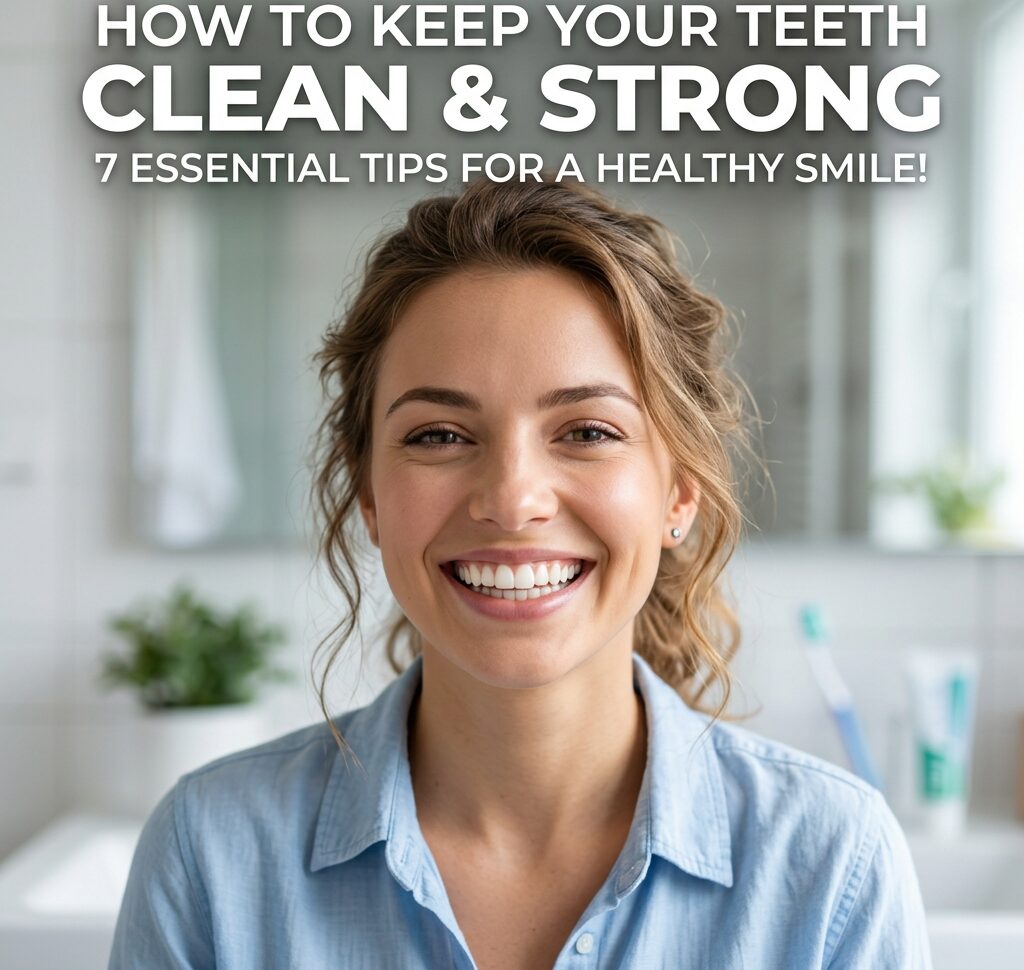
A bright, healthy smile is more than just an attractive feature—it is a crucial indicator of your overall well-being. Good oral hygiene helps prevent bad breath, tooth decay, and gum disease, ensuring you keep your natural teeth strong as you age.
If you want to maintain a sparkling and resilient smile, here are the essential daily habits you need to follow.
1. Brush Twice a Day—and Do It Right
It is no secret that brushing your teeth is the foundation of good oral care. However, how you brush is just as important as how often you brush.
-
Take your time: Spend at least two minutes brushing your teeth, moving the brush in gentle, circular motions to remove plaque.
-
Don’t ignore your tongue: Plaque can also build up on your tongue, leading to bad breath and oral health problems. Gently brush your tongue every time you brush your teeth.
-
Use a soft-bristled brush: Hard bristles can damage your gums and wear down your tooth enamel over time.
2. Choose a Fluoride Toothpaste
When it comes to toothpaste, there are plenty of options designed to whiten teeth or soothe sensitive gums. However, the most important ingredient to look for is fluoride. Fluoride is a leading defense against tooth decay because it fights germs that can lead to decay and provides a protective barrier for your teeth.
3. Don’t Forget to Floss Daily
Many people brush regularly but neglect to floss. Flossing is not just about getting small pieces of food out from between your teeth; it is essential for stimulating the gums, reducing plaque, and helping lower inflammation in the area.
-
Tip: Flossing once a day is usually enough to reap these benefits.
4. Limit Sugary and Acidic Foods
Ultimately, sugar converts into acid in the mouth, which can erode the enamel of your teeth. These acids are what lead to cavities. Acidic fruits, teas, and coffee can also wear down tooth enamel. While you don’t have to avoid such foods entirely, it always helps to be mindful and rinse your mouth with water after consuming them.
5. Drink Plenty of Water
Water continues to be the best beverage for your overall health—including your oral health. Drinking water after every meal can help wash out some of the negative effects of sticky and acidic foods and beverages in between brushes. It also prevents dry mouth, ensuring you have enough saliva to naturally neutralize cavity-causing acids.
6. Consider Mouthwash
Mouthwash is an excellent addition to a good oral hygiene routine. It helps in three ways: it reduces the amount of acid in the mouth, cleans hard-to-brush areas in and around the gums, and re-mineralizes the teeth. Ask your dentist for a recommendation on which mouthwash is best for your specific needs.
7. Visit Your Dentist Regularly
Even if you are a highly dedicated brusher and flosser, you still need to see a professional regularly. You should visit your dentist for checkups and cleanings at least twice a year. Not only can a dentist remove calculus and look for cavities, but they will also be able to spot potential issues and offer treatment solutions before they become severe.