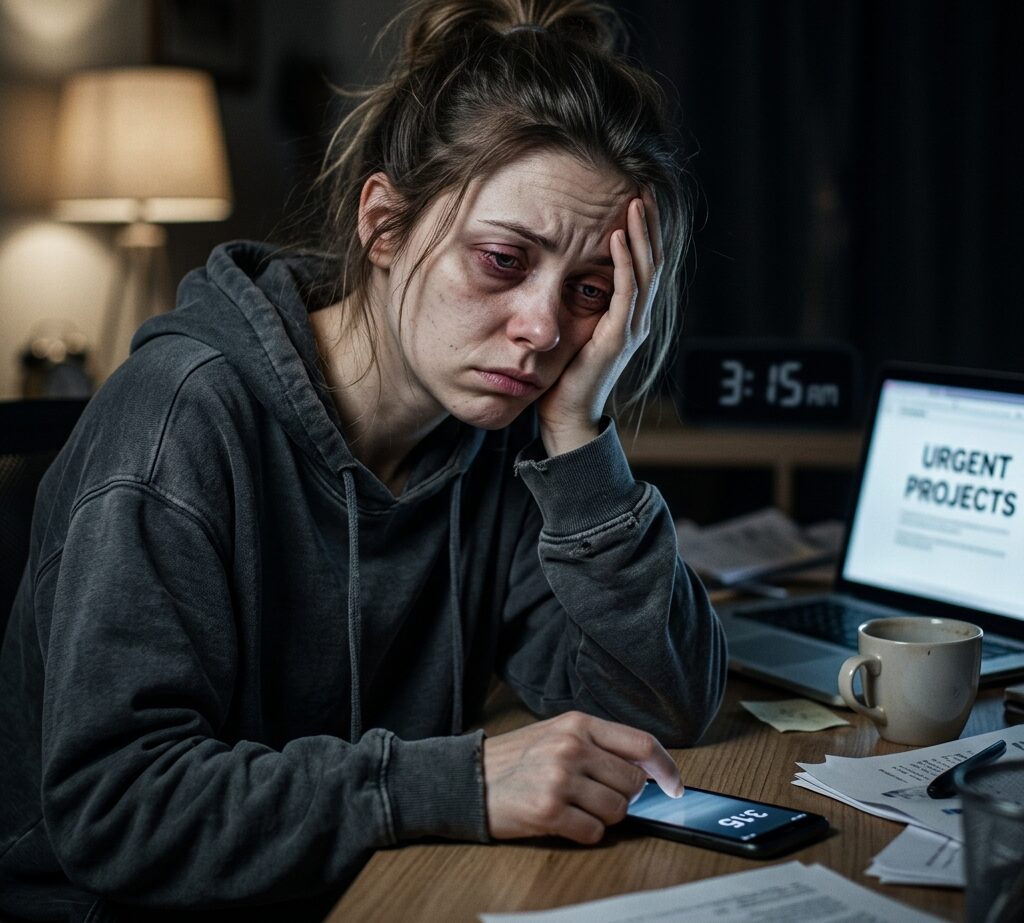
We have all been there: staying up late to finish a project, binge-watching a favorite show, or simply tossing and turning all night. The next day, you rely on coffee to keep your eyes open. But have you ever stopped to wonder, what is a lack of sleep actually doing to my body?
Sleep is not a luxury; it is a biological necessity. When you consistently fail to get the recommended 7 to 9 hours of rest, your body goes into survival mode. Here is a breakdown of exactly how sleep deprivation affects your physical and mental health.
1. The Brain Takes a Serious Hit
Your brain needs sleep to process information, consolidate memories, and clear out toxins. When you skip out on rest, your cognitive functions are the first to suffer.
-
Brain Fog: You may experience trouble focusing, slower reaction times, and poor decision-making skills.
-
Memory Issues: During sleep, your brain forms connections that help you process and remember new information. A lack of sleep makes learning and retaining memory much harder.
-
Mood Swings: Sleep deprivation triggers the emotional centers of the brain, making you more prone to irritability, anxiety, and even depression over time.
2. A Weakened Immune System
Do you notice that you always seem to catch a cold when you are stressed and tired? That is not a coincidence. While you sleep, your immune system produces protective, infection-fighting substances like antibodies and cytokines.
-
Reduced Defenses: Without sufficient sleep, your body does not have the time or energy to build these defenses, leaving you highly vulnerable to viruses and bacteria.
-
Slower Recovery: If you do get sick, a lack of sleep will make it take much longer for your body to recover.
3. Weight Gain and Metabolism Changes
If you are trying to maintain a healthy weight, your sleep schedule is just as important as your diet and exercise routine. Sleep directly affects two key hormones that control hunger: leptin (which tells you that you are full) and ghrelin (which tells you that you are hungry).
-
Increased Appetite: Sleep deprivation causes ghrelin levels to spike and leptin levels to drop. This means you feel hungrier and are less satisfied after eating.
-
Sugar Cravings: A tired brain craves quick energy, leading to intense cravings for high-sugar, high-carbohydrate, and junk foods.
-
Insulin Resistance: Chronic sleep loss prompts your body to release higher levels of insulin, which promotes fat storage and increases your risk of developing Type 2 diabetes.
4. Increased Strain on Your Heart
Your heart works hard for you all day. Sleep is the time when your cardiovascular system gets a break. During the non-rapid eye movement (NREM) sleep stages, your heart rate slows down and your blood pressure drops.
-
High Blood Pressure: Skimping on sleep means your blood pressure stays higher for a longer period.
-
Heart Disease Risk: Chronic sleep deprivation has been strongly linked to increased risks of heart attacks, irregular heartbeats, and strokes.
5. Skin and Premature Aging
“Beauty sleep” is a very real scientific phenomenon. When you do not get enough rest, your body releases more of the stress hormone cortisol.
-
Collagen Breakdown: In excess amounts, cortisol can break down skin collagen, the protein that keeps your skin smooth and elastic.
-
Dull Complexion: A lack of sleep leads to poor blood circulation, which results in a dull, lifeless complexion and those dreaded dark circles under your eyes.
The Bottom Line
Treating sleep as an option rather than a priority is a dangerous game for your long-term health. The occasional late night will not cause permanent damage, but chronic sleep deprivation will slowly break down your body’s critical systems.
Tips for a Better Night’s Sleep:
-
Stick to a Schedule: Go to bed and wake up at the same time every day, even on weekends.
-
Unplug Early: Turn off screens (phones, TVs, computers) at least an hour before bed. The blue light tricks your brain into thinking it is daytime.
-
Create a Sanctuary: Keep your bedroom cool, dark, and quiet.
Your body heals, repairs, and resets during the night. Tonight, do yourself a favor: put the phone away, turn off the lights, and give your body the rest it deserves.