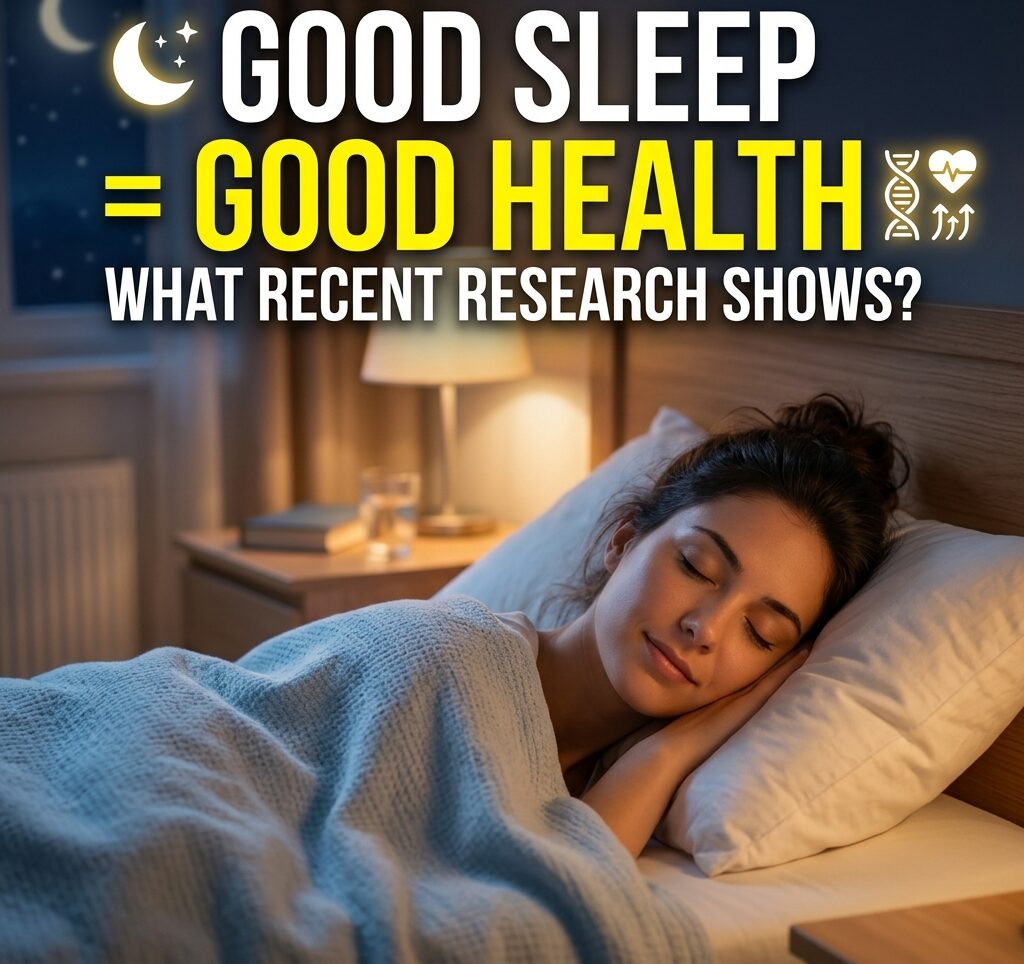
In our fast-paced, always-on modern world, sleep is often the first thing we sacrifice. We stay up late to finish projects, binge-watch our favorite shows, or simply scroll through social media. However, an ever-growing body of scientific evidence is sending a clear and urgent message: sleep is not a luxury; it is a fundamental pillar of human health. If you want to optimize your physical and mental well-being, getting quality rest is just as important as a balanced diet and regular exercise. But what exactly is happening in our bodies when we sleep? Here is what the latest research tells us about the equation Good Sleep = Good Health.
1. The Brain’s Nightly “Deep Clean”
For a long time, scientists knew sleep was restorative, but recent discoveries have shown exactly how it works. Research has highlighted the role of the glymphatic system, the brain’s unique waste clearance system.
When we enter deep sleep, our brain cells actually shrink slightly, allowing cerebrospinal fluid to wash away toxic proteins that build up during waking hours. One of these proteins is beta-amyloid, which is heavily linked to Alzheimer’s disease. Recent studies suggest that chronic sleep deprivation severely hampers this cleaning process, increasing the risk of neurodegenerative diseases later in life.
2. A Shield for Your Immune System
Have you ever noticed that you are more likely to catch a cold when you are exhausted? Science backs this up. Recent research shows that sleep acts as a powerful booster for the immune system.
During sleep, your body produces and releases cytokines, a type of protein that targets infection and inflammation. Furthermore, studies have found that sleep enhances the ability of T-cells (white blood cells that fight off foreign invaders) to attach to and destroy virus-infected cells. Skipping sleep reduces your body’s natural defense mechanisms, making you more susceptible to illnesses and increasing recovery time.
3. Metabolic Health and Weight Management
If you are trying to manage your weight, your sleep schedule might be just as important as your time in the gym. Recent endocrinology studies have drawn a direct line between sleep deprivation and metabolic dysfunction.
Lack of sleep disrupts two key hunger hormones:
-
Ghrelin (The hunger hormone): Levels increase, making you feel ravenous.
-
Leptin (The fullness hormone): Levels decrease, meaning you don’t feel satisfied after eating.
Furthermore, getting less than 7 hours of sleep a night has been linked to increased insulin resistance, which can lead to higher blood sugar levels and, over time, a significantly higher risk of developing Type 2 diabetes.
4. Emotional Regulation and Mental Health
Sleep and mental health are a two-way street. While anxiety can cause insomnia, a lack of sleep also directly fuels anxiety and depression.
During Rapid Eye Movement (REM) sleep, the brain processes emotional memories. Recent neuroimaging studies show that when we are sleep-deprived, the amygdala (the brain’s emotional control center) becomes hyperactive. This means our emotional reactions are amplified, making it harder to handle stress, causing mood swings, and significantly increasing the risk of mental health disorders.
Actionable Tips for Better Sleep
Knowing the science is only half the battle. Here are evidence-based tips to improve your sleep hygiene starting tonight:
-
Maintain a Consistent Schedule: Go to bed and wake up at the same time every day, even on weekends. This stabilizes your circadian rhythm.
-
Control Your Light Exposure: Get plenty of natural sunlight during the day, but avoid blue light from screens (phones, TVs, laptops) at least one hour before bed. Blue light blocks the production of melatonin, the sleep hormone.
-
Cool Down Your Room: The optimal temperature for sleep is surprisingly cool—around 65°F (18.3°C). A cooler room mimics the body’s natural temperature drop that occurs during sleep.
-
Watch Your Intake: Avoid heavy meals, caffeine, and alcohol close to bedtime. While alcohol might make you feel drowsy, it severely disrupts the quality of your REM sleep.
The Bottom Line
The phrase “I’ll sleep when I’m dead” is dangerously outdated. Modern science clearly dictates that if you want to live a long, healthy, and vibrant life, you need to prioritize your rest. Good sleep equals good health—so tonight, do your brain and body a favor and turn out the lights a little earlier.