When we think about oral health, our minds immediately go to achieving a bright, white smile. However, your gums are the foundation of that smile, and their health is just as important as your teeth.
Gum disease, medically known as periodontal disease, affects millions of people worldwide. The good news? The earliest stage of gum disease, known as gingivitis, is entirely reversible if caught and treated early.
Here are the early signs of gum disease you should never ignore.
1. Bleeding When Brushing or Flossing
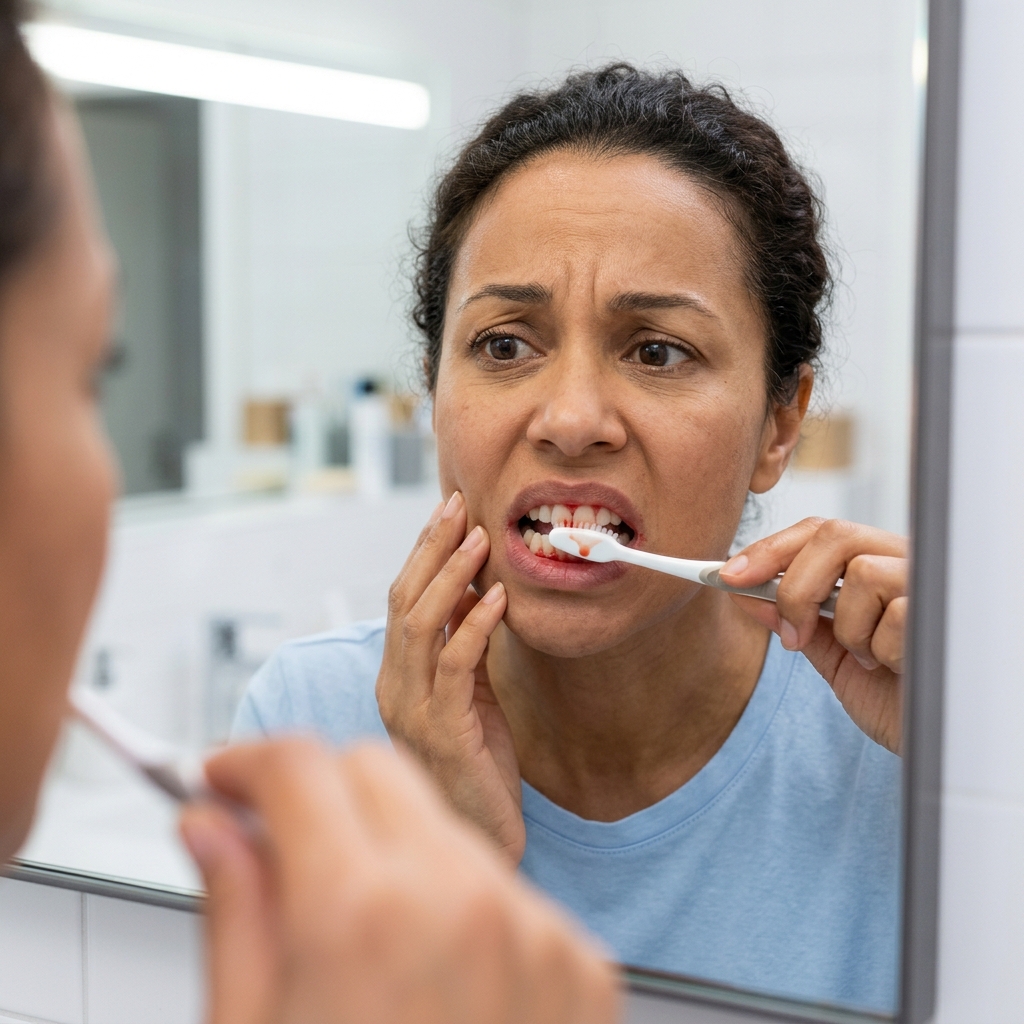
This is often the very first red flag. Healthy gums should not bleed when you brush your teeth or floss. If you notice a pink tinge when you spit out your toothpaste, or if your floss regularly has blood on it, your gums are likely inflamed due to plaque buildup.
2. Red, Swollen, or Puffy Gums
Take a close look in the mirror. Healthy gums should be firm and pale pink. If your gums look dark red, swollen, puffy, or feel tender to the touch, it is a clear sign that your immune system is fighting off bacteria along your gumline.
3. Persistent Bad Breath (Halitosis)
Everyone wakes up with “morning breath,” but if you have bad breath that won’t go away even after brushing, it could be a sign of gum disease. The bacteria that cause gingivitis produce toxins that release foul-smelling odors. If mints and mouthwash only mask the problem temporarily, it’s time to check your gums.
4. Receding Gums
Do your teeth look longer than they used to? This happens when your gums begin to pull away from your teeth, creating small pockets where more bacteria can gather. While noticeable gum recession often happens in the later stages of gum disease, slight pulling away is an early warning sign.
5. Increased Tooth Sensitivity
When gums begin to recede or become highly inflamed, the sensitive lower parts of your teeth (and the roots) become exposed. If you suddenly experience a sharp pain when drinking hot coffee or eating ice cream, early gum disease could be the culprit.
Why Early Detection Matters
If left untreated, gingivitis can quickly progress into periodontitis, a severe infection that damages the soft tissue and destroys the bone that supports your teeth. Periodontitis can lead to tooth loss and has even been linked to systemic health issues like heart disease and diabetes.
What Should You Do?
If you notice any of these early signs, don’t panic! Taking quick action can reverse the damage:
-
Upgrade Your Oral Hygiene: Brush twice a day using a soft-bristled toothbrush and fluoride toothpaste.
-
Floss Daily: Flossing removes the hidden plaque between your teeth that a toothbrush can’t reach.
-
Visit Your Dentist: Schedule a professional dental cleaning and checkup. A dentist or hygienist can remove hardened plaque (tartar) and give you a personalized treatment plan to get your gums back to perfect health.