What Are Tonsil Stones?
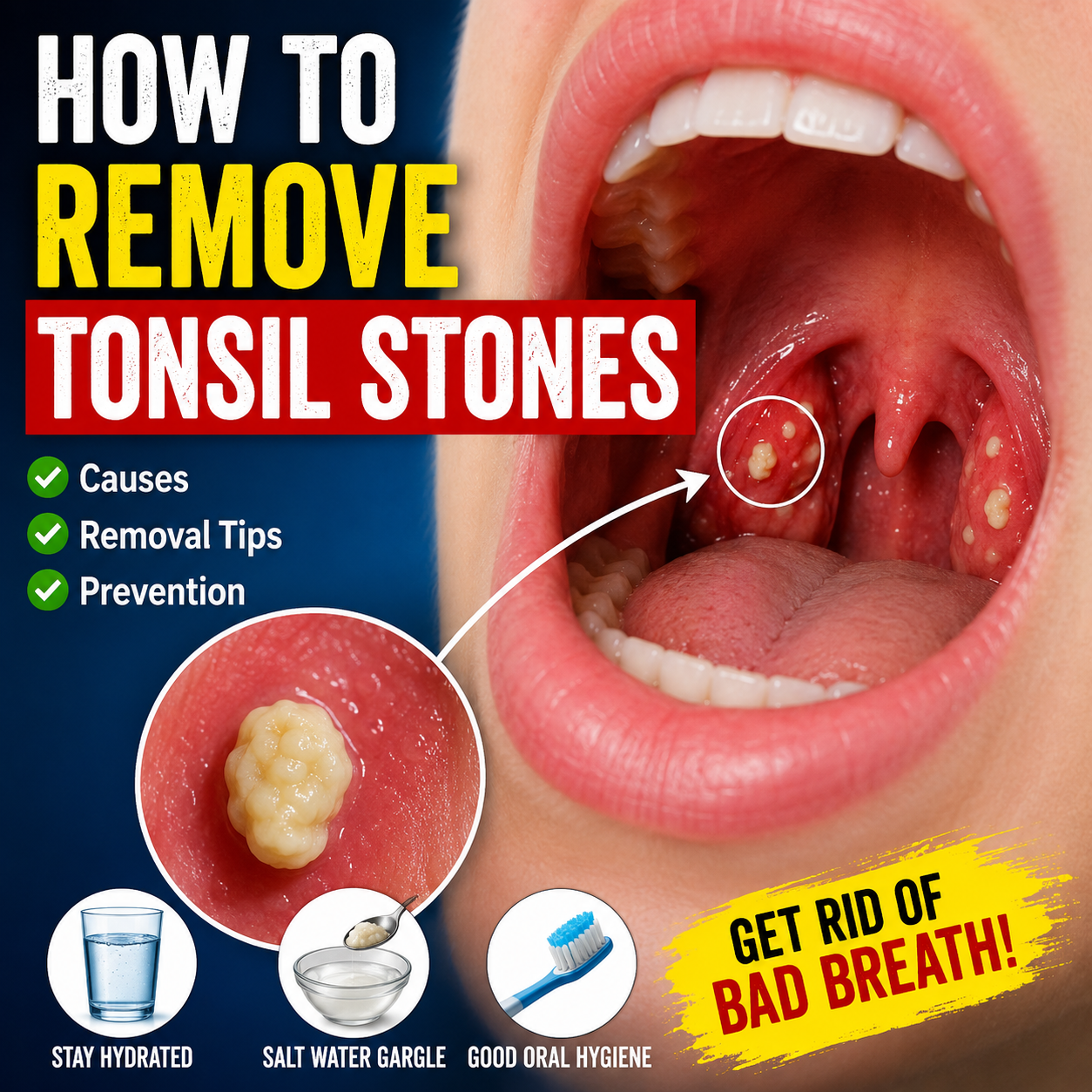
Tonsil stones, also known as tonsilloliths, are small, hard deposits that form in the crevices of the tonsils. They develop when food particles, dead cells, mucus, and bacteria become trapped in the tiny pockets of the tonsils and gradually harden over time.
Although tonsil stones are usually harmless, they can cause discomfort, bad breath, and irritation in the throat. Many people discover them accidentally when looking in a mirror or after experiencing persistent bad breath that doesn’t improve with regular brushing and mouthwash.
Understanding what causes tonsil stones and how to remove them safely can help you maintain better oral health and avoid recurring problems.
What Causes Tonsil Stones?
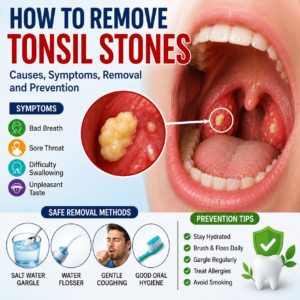
The tonsils contain small folds and crevices called crypts. These crypts can trap various materials, including:
- Food particles
- Mucus
- Dead skin cells
- Bacteria
- Saliva minerals
Over time, these substances accumulate and calcify, forming white or yellowish stones.
Several factors may increase the likelihood of developing tonsil stones:
1. Poor Oral Hygiene
Inadequate brushing and flossing allow bacteria and food debris to build up in the mouth, increasing the risk of tonsil stone formation.
2. Chronic Tonsillitis
People who frequently experience tonsil infections often have enlarged tonsil crypts, making it easier for debris to become trapped.
3. Large Tonsils
Individuals with naturally large tonsils tend to have deeper crevices where stones can form more easily.
4. Excess Mucus Production
Allergies, sinus infections, and postnasal drip can increase mucus accumulation, contributing to stone development.
Common Symptoms of Tonsil Stones
Small tonsil stones may not cause any symptoms at all. However, larger stones can lead to noticeable discomfort.
Common symptoms include:
- Persistent bad breath (halitosis)
- Sore throat
- Difficulty swallowing
- Feeling that something is stuck in the throat
- Ear pain
- Swollen tonsils
- White or yellow spots on the tonsils
- Unpleasant taste in the mouth
Bad breath is often the most common complaint because bacteria trapped within the stones produce sulfur compounds that create a strong odor.
How to Remove Tonsil Stones Safely
Many tonsil stones can be removed at home using safe and gentle methods. However, aggressive removal techniques should be avoided because they can damage delicate throat tissues.
1. Gargle with Warm Salt Water
One of the easiest and safest methods is gargling with warm salt water.
Benefits include:
- Reducing inflammation
- Loosening stones
- Killing harmful bacteria
- Soothing throat irritation
Mix half a teaspoon of salt into a glass of warm water and gargle for 30 seconds several times a day.
2. Use a Water Flosser Carefully
A low-pressure water flosser can sometimes help dislodge visible tonsil stones.
Important tips:
- Use the lowest pressure setting.
- Aim gently at the stone.
- Never forcefully spray the tonsils.
If pain or bleeding occurs, stop immediately.
3. Gentle Coughing
Sometimes a strong but controlled cough can loosen small tonsil stones naturally.
This method is particularly effective when stones are near the surface of the tonsils.
4. Maintain Excellent Oral Hygiene
Regular oral care helps prevent new stones from forming and may reduce existing bacterial buildup.
Daily habits should include:
- Brushing teeth twice daily
- Flossing once daily
- Cleaning the tongue
- Using an antibacterial mouthwash
- Staying hydrated
5. Seek Professional Removal
If a tonsil stone is large, painful, or difficult to remove, a healthcare professional or ENT specialist can safely extract it using specialized tools.
Professional treatment is often the safest option for recurrent or deeply embedded stones.
What Not to Do
Many online videos demonstrate methods that may seem effective but can cause injury.
Avoid:
- Sharp objects
- Metal tools
- Toothpicks
- Excessive scraping
- Forceful poking
These methods can cause bleeding, infection, and damage to the tonsils.
If a stone does not come out easily, it is best to seek medical advice rather than forcing removal.
How to Prevent Tonsil Stones
Prevention is often easier than treatment.
Here are some proven strategies:
Stay Hydrated
Drinking enough water helps wash away food particles and bacteria before they become trapped.
Practice Good Oral Hygiene
Consistent oral care reduces bacterial growth and debris accumulation.
Treat Allergies and Sinus Problems
Managing postnasal drip and excess mucus can lower the risk of tonsil stone formation.
Avoid Smoking
Smoking promotes bacterial growth and contributes to bad breath, increasing the chances of developing tonsil stones.
Gargle Regularly
Using salt water or alcohol-free mouthwash can help keep the tonsils clean and reduce bacterial buildup.
When Should You See a Doctor?
Most tonsil stones are harmless and can be managed at home. However, medical evaluation is recommended if you experience:
- Frequent recurring tonsil stones
- Severe throat pain
- Difficulty swallowing
- Persistent bad breath despite treatment
- Bleeding from the tonsils
- Signs of infection such as fever or swelling
An ear, nose, and throat (ENT) specialist can determine whether additional treatment is necessary.
Can Tonsil Stones Be Permanently Eliminated?
For individuals who suffer from chronic tonsil stones, a doctor may recommend procedures such as:
Laser Cryptolysis
This treatment smooths the surface of the tonsils, reducing the number of crypts where stones can form.
Coblation Cryptolysis
A minimally invasive procedure that removes or reshapes tonsil crypts using radiofrequency energy.
Tonsillectomy
In severe cases, surgical removal of the tonsils completely eliminates the possibility of future tonsil stones.
This option is usually reserved for people with frequent infections or significant recurring symptoms.
Final Thoughts
Tonsil stones are a common condition that affects millions of people worldwide. While they are generally not dangerous, they can cause bad breath, discomfort, and frustration. Fortunately, most tonsil stones can be managed safely through proper oral hygiene, saltwater gargles, hydration, and professional care when necessary.
The key is to avoid aggressive removal techniques and focus on prevention. If you experience recurring tonsil stones or persistent symptoms, consulting a healthcare professional can help you find the most effective long-term solution.
By maintaining good oral health habits and addressing underlying causes, you can significantly reduce your risk of developing tonsil stones and enjoy fresher breath and a healthier throat.