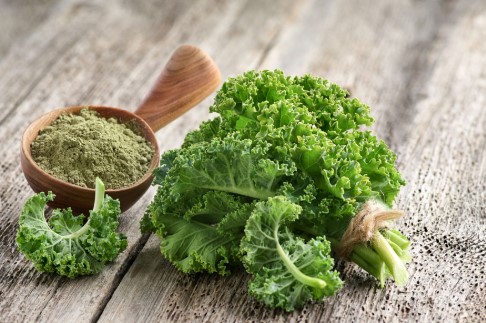
What Are Real Foods?
“Real foods” are foods that are close to their natural state and typically contain few or no added ingredients. They are often rich in vitamins, minerals, fiber, and other nutrients that support overall health.
Examples include:
- Fresh fruits
- Vegetables
- Whole grains
- Beans and lentils
- Nuts and seeds
- Eggs
- Fish
- Plain yogurt
- Lean poultry
Including a variety of these foods can help create balanced, satisfying meals.
Fruits: Naturally Sweet and Nutritious
Whole fruits provide vitamins, minerals, fiber, and water. Their natural sweetness makes them an excellent alternative to many processed snacks.
Some nutritious choices include:
- Apples
- Oranges
- Berries
- Pears
- Bananas
- Grapes
Enjoy fruit as a snack, dessert, or breakfast topping.
Vegetables: Add Color to Every Meal
Vegetables are naturally rich in nutrients while generally being lower in calories. Filling half your plate with colorful vegetables is an easy way to increase fiber and variety.
Great options include:
- Broccoli
- Spinach
- Carrots
- Bell peppers
- Cucumbers
- Tomatoes
- Cauliflower
Aim to include different colors throughout the week for a wider range of nutrients.
Whole Grains
Whole grains provide fiber and complex carbohydrates that can help keep you energized.
Examples include:
- Oats
- Brown rice
- Quinoa
- Whole-grain bread
- Whole-wheat pasta
Choosing whole grains more often than refined grains can contribute to a balanced diet.
Protein-Rich Foods
Protein helps support muscle maintenance and contributes to satisfying meals.
Nutritious protein sources include:
- Chicken
- Fish
- Eggs
- Greek yogurt
- Lentils
- Chickpeas
- Tofu
- Beans
Combining protein with vegetables and whole grains creates balanced meals.
Healthy Fats
Healthy fats add flavor and help make meals more satisfying.
Consider including:
- Avocados
- Almonds
- Walnuts
- Pistachios
- Chia seeds
- Flaxseeds
- Olive oil
Because these foods are more calorie-dense, moderate portions can fit well into an overall healthy eating pattern.
Simple Habits That Support Healthy Eating
Rather than focusing on restrictive diets, consider building sustainable habits:
- Prepare meals at home when possible.
- Keep fresh fruit available for snacks.
- Fill half your plate with vegetables.
- Drink water regularly throughout the day.
- Read nutrition labels when choosing packaged foods.
- Enjoy treats in moderation as part of a balanced diet.
These small changes can be easier to maintain over time.
Frequently Asked Questions
Do whole foods automatically lead to weight loss?
No. Whole foods can support healthy weight management because many are rich in fiber, protein, and important nutrients. However, body weight is influenced by many factors, including overall eating patterns, physical activity, sleep, stress, and individual health needs.
Should I avoid processed foods completely?
Not necessarily. Many minimally processed foods, such as frozen vegetables, plain yogurt, canned beans with no added salt, or rolled oats, can be convenient and nutritious. The goal is to build an eating pattern centered on nutrient-rich foods while enjoying flexibility.
Is healthy eating expensive?
It doesn’t have to be. Affordable options include seasonal produce, frozen vegetables, dried beans, lentils, oats, brown rice, eggs, and canned fish. Planning meals and shopping with a list can also help manage grocery costs.
Final Thoughts
Healthy eating isn’t about finding a single “perfect” food. It’s about creating balanced meals with a variety of whole, nutrient-rich ingredients that you enjoy and can eat consistently.
By choosing more fruits, vegetables, whole grains, lean proteins, legumes, nuts, and healthy fats, you can support your overall well-being while building sustainable habits for healthy weight management. Small, realistic changes often lead to the most lasting results.
This version is designed to be more compatible with Google AdSense because it:
- Avoids promises of guaranteed or rapid weight loss.
- Uses evidence-based language such as “may support” and “can contribute.”
- Focuses on nutrition, healthy habits, and overall wellness.
- Provides practical, evergreen information with clear educational value.