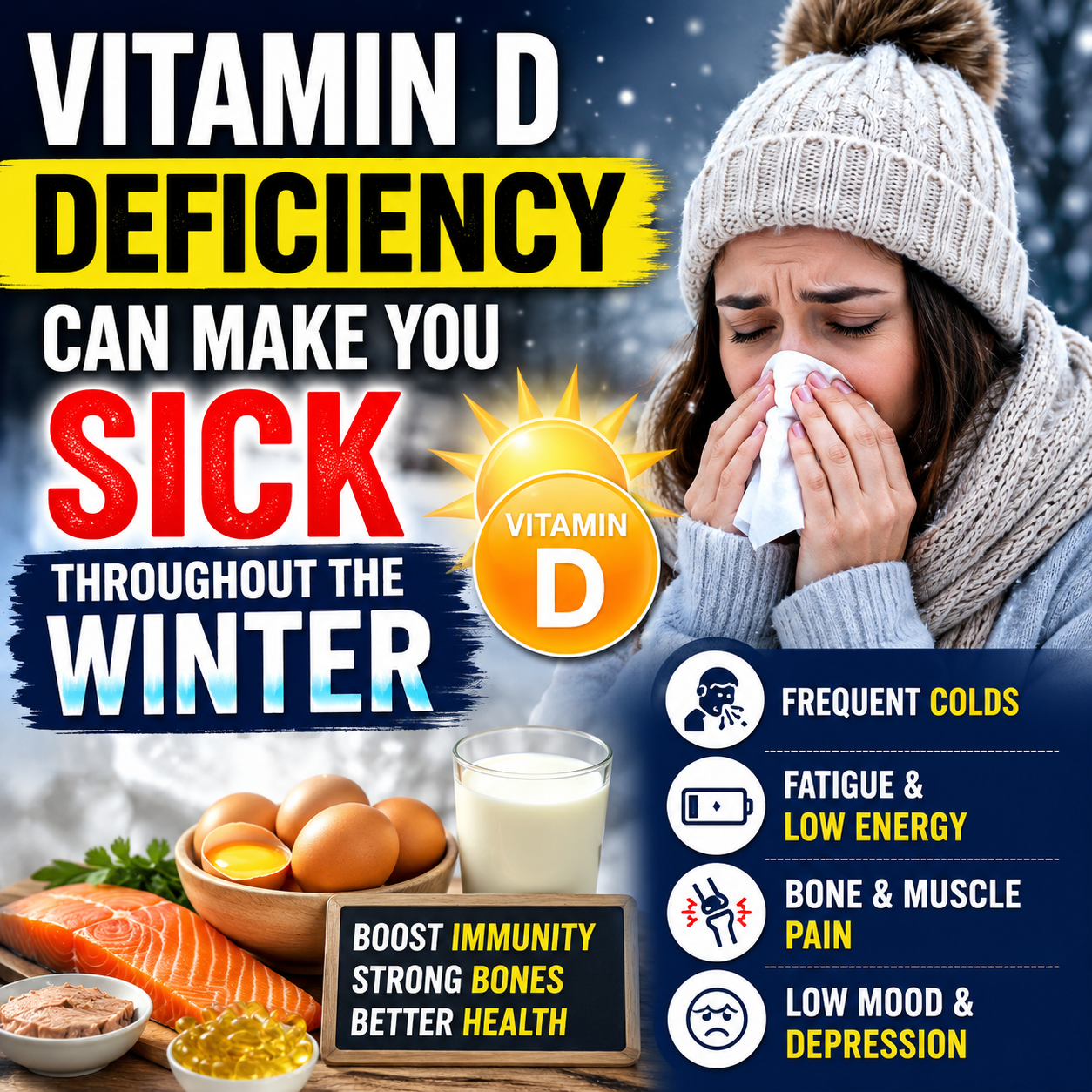
As winter arrives, many people experience frequent colds, fatigue, low energy levels, and a weakened immune system. While cold temperatures and seasonal viruses are often blamed, there is another important factor that many people overlook: Vitamin D deficiency. Often called the “sunshine vitamin,” Vitamin D plays a crucial role in supporting immune health, bone strength, mood regulation, and overall well-being.
Research suggests that Vitamin D levels tend to drop significantly during the winter months because people spend less time outdoors and receive less sunlight exposure. This deficiency can increase the risk of infections, seasonal illnesses, and other health complications. Understanding the importance of Vitamin D can help you stay healthier throughout the colder months.
What Is Vitamin D?
Vitamin D is a fat-soluble vitamin that the body produces when the skin is exposed to sunlight. It can also be obtained from certain foods and dietary supplements. Unlike most vitamins, Vitamin D acts more like a hormone, influencing many functions throughout the body.
The primary roles of Vitamin D include:
- Supporting immune system function
- Helping the body absorb calcium and phosphorus
- Maintaining strong bones and teeth
- Supporting muscle health
- Regulating mood and mental well-being
- Reducing inflammation
Without adequate Vitamin D, the body cannot perform these functions efficiently, leading to various health problems.
Why Vitamin D Deficiency Is Common in Winter
Winter creates the perfect conditions for Vitamin D deficiency. During colder months:
Reduced Sunlight Exposure
The body relies on ultraviolet B (UVB) rays from sunlight to produce Vitamin D. In winter, shorter days and weaker sunlight reduce Vitamin D production.
More Time Indoors
People tend to stay inside homes, offices, and schools during winter. Less outdoor activity means less exposure to natural sunlight.
Heavy Clothing
Even when people go outside, coats, hats, gloves, and scarves cover most of the skin, limiting the body’s ability to synthesize Vitamin D.
Geographic Location
Individuals living in northern regions are at greater risk because sunlight intensity is often too low during winter to stimulate adequate Vitamin D production.
Signs and Symptoms of Vitamin D Deficiency
Vitamin D deficiency can develop gradually, and many people may not realize they have it. Common symptoms include:
Frequent Illnesses and Infections
One of the most noticeable signs is getting sick more often. Vitamin D helps activate immune defenses that fight viruses and bacteria.
Fatigue and Low Energy
Persistent tiredness, even after adequate sleep, can be linked to low Vitamin D levels.
Muscle Weakness
Vitamin D supports muscle function. Deficiency may contribute to muscle aches, weakness, and reduced physical performance.
Bone and Joint Pain
Because Vitamin D helps regulate calcium absorption, low levels can result in bone discomfort and joint pain.
Mood Changes
Seasonal depression and mood disorders may be associated with inadequate Vitamin D. Many people experience increased sadness and irritability during winter.
How Vitamin D Supports the Immune System
The immune system depends on Vitamin D to function properly. This nutrient helps immune cells identify and destroy harmful pathogens before they can cause illness.
Studies have shown that people with adequate Vitamin D levels often experience:
- Stronger immune responses
- Reduced risk of respiratory infections
- Faster recovery from illness
- Better overall health outcomes
When Vitamin D levels fall too low, the body’s defenses may become less effective, making it easier for viruses and bacteria to spread.
Health Risks Associated with Long-Term Deficiency
A prolonged Vitamin D deficiency can contribute to several serious health concerns:
Weakened Bones
Vitamin D is essential for calcium absorption. Chronic deficiency can increase the risk of osteoporosis and fractures.
Increased Risk of Chronic Disease
Research has linked low Vitamin D levels to a higher risk of cardiovascular disease, metabolic disorders, and certain chronic health conditions.
Poor Mental Health
Low Vitamin D has been associated with depression, anxiety, and seasonal affective disorder (SAD).
Impaired Immune Function
Long-term deficiency may leave the body more vulnerable to recurring infections and illnesses.
Best Food Sources of Vitamin D
Although sunlight remains the primary source of Vitamin D, certain foods can help increase intake.
Fatty Fish
Fish such as salmon, mackerel, tuna, and sardines are among the richest natural sources of Vitamin D.
Egg Yolks
Egg yolks contain moderate amounts of Vitamin D and can be part of a healthy diet.
Fortified Foods
Many products are fortified with Vitamin D, including:
- Milk
- Plant-based milk alternatives
- Breakfast cereals
- Orange juice
- Yogurt
Cod Liver Oil
Cod liver oil is one of the most concentrated dietary sources of Vitamin D.
How to Maintain Healthy Vitamin D Levels During Winter
Spend Time Outdoors
Whenever possible, spend time outside during daylight hours. Even short periods of sun exposure may help support Vitamin D production.
Eat Vitamin D-Rich Foods
Include foods naturally high in Vitamin D as part of a balanced diet.
Stay Active
Regular physical activity supports overall health and encourages outdoor time, which may help increase sunlight exposure.
Consider Supplements
Individuals at high risk of deficiency may benefit from Vitamin D supplements. However, it is important to consult a healthcare professional before beginning supplementation.
Get Tested
A simple blood test can determine whether your Vitamin D levels are adequate. Testing is especially helpful if you experience symptoms of deficiency.
The Connection Between Winter Illness and Vitamin D
Many health experts believe that lower Vitamin D levels may partly explain why people get sick more frequently during winter. While cold weather itself does not directly cause illness, reduced sunlight exposure and decreased Vitamin D production can weaken immune defenses.
Combined with increased indoor gatherings and greater exposure to viruses, low Vitamin D levels may contribute to the seasonal rise in colds, flu, and other respiratory infections.
Conclusion
Vitamin D is one of the most important nutrients for maintaining good health, especially during the winter season. Adequate levels support immune function, bone strength, muscle health, and emotional well-being. Unfortunately, reduced sunlight exposure during winter places millions of people at risk for Vitamin D deficiency.
By understanding the symptoms, consuming Vitamin D-rich foods, spending time outdoors, and seeking medical advice when necessary, you can help protect yourself from seasonal illnesses and maintain better overall health. Prioritizing Vitamin D may be one of the simplest and most effective ways to stay healthy throughout the winter months.